Car Wont Start Battery Charged When Cold Here Is Why
When your car wont start battery charged when cold, the culprit is rarely the battery itself. Cold temperatures create a cascade of issues from thickened engine oil to weakened starter motors and corroded terminals. Understanding these hidden causes can save you time, money, and a lot of frustration on freezing winter mornings.
There is nothing more annoying than turning your key or pressing the start button on a freezing morning only to hear silence. You know the battery is charged. You even tested it yesterday. So why on earth wont your car start when its cold? This is one of the most common car problems people face during winter, and it drives thousands of drivers crazy every single year.
The truth is, a car wont start battery charged when cold situation has many possible causes. The battery might be fine on its own, but cold weather exposes weaknesses in other parts of your vehicles starting system. From thickened oil to corroded terminals, the cold acts like a stress test that reveals problems you never noticed before.
In this article, we will walk through every reason your car might refuse to start in cold weather even with a good battery. We will also share practical fixes and simple tips to keep your car running smoothly all winter long. Whether you live in a mildly chilly area or somewhere with brutal winters, this guide will help you understand and solve the problem.
Key Takeaways
- Cold temperatures reduce battery efficiency: Even a fully charged battery loses significant cranking power in freezing weather.
- Thickened engine oil strains your starter: Cold oil becomes sluggish and forces the battery to work harder than it should.
- Corroded battery terminals are a common silent killer: Dirt and buildup block the electrical connection even when the battery is strong.
- Parasitic drains and old batteries compound the problem: A weak battery combined with cold weather almost always leads to a no-start situation.
- Simple preventive steps work wonders: A block heater, clean terminals, and smart parking habits can prevent most cold-weather starting issues.
- Knowing when to replace your battery matters: Batteries older than three to five years are far more vulnerable in winter.
📑 Table of Contents
Why Cold Weather Affects Your Cars Starting System
Most drivers assume the battery does all the work. In reality, starting your car is a team effort. The battery, the starter motor, the alternator, the engine oil, and even the fuel system all have to work together. Cold weather disrupts almost every part of this process.
When temperatures drop, chemical reactions inside your battery slow down. A fully charged battery at 80 degrees Fahrenheit delivers strong power. But at 0 degrees, that same battery might only deliver about 40 percent of its normal capacity. This is called cold cranking amps loss, and it is the single biggest reason drivers experience starting problems in winter.
Beyond the battery itself, cold weather thickens your engine oil. Thick oil creates more resistance inside the engine. Your starter motor has to work harder to turn over a cold engine. This extra strain pulls more power from the battery, which is already operating at reduced capacity. The result is a vicious cycle that often ends with a car that simply wont turn over.
Understanding Cold Cranking Amps
Cold cranking amps, or CCA, is a rating that measures how much power a battery can deliver at 0 degrees Fahrenheit. Every battery has a CCA rating printed on it. If you live in a cold climate, choosing a battery with a higher CCA rating is one of the smartest things you can do.
When your battery ages, its actual CCA drops below the rated number. A battery that was perfect for summer might struggle badly in winter. This is why many drivers experience a car wont start battery charged when cold situation even though the battery tested fine during warmer months.
Common Reasons Your Car Wont Start In Cold Weather
Let us get into the specific reasons your car might not start when its cold. Each of these problems can exist on its own or combine with others to create a frustrating no-start situation.
1. Corroded or Dirty Battery Terminals
This is one of the most overlooked causes. Battery terminals can develop a white or greenish crust over time. This buildup is called corrosion, and it blocks the flow of electricity between the battery and the cables. Even if your battery is fully charged, the power cannot reach the starter motor if the terminals are corroded.
Corrosion gets worse in cold and damp conditions. Moisture from snow, frost, and condensation collects around the terminals. Over time, this creates a poor connection that is especially problematic in winter. A simple cleaning with a wire brush and a baking soda solution can often fix this problem instantly.
2. Weak or Aging Battery
Even if your battery shows a full charge, age matters a lot. Most car batteries last between three and five years. As a battery gets older, its internal plates wear down. It might hold enough charge to power your lights and radio but struggle to deliver the burst of energy needed to start the engine in cold weather.
This is why a car wont start battery charged when cold scenario happens so often. The battery passes a basic voltage test but fails under the heavy load of a cold start. If your battery is more than four years old, consider replacing it before winter arrives. A new battery is far cheaper than a roadside tow on a freezing morning.
3. Thickened Engine Oil
Engine oil becomes thicker in cold temperatures. Think of it like honey coming out of the fridge. It moves slowly and resists flow. When your oil is thick, the engine has to work much harder to turn over. This puts a massive strain on your battery and starter motor.
Using the wrong weight oil for your climate makes this problem much worse. If you live in a cold area, switching to a thinner winter-grade oil like 5W-30 or 0W-20 can make a noticeable difference. Check your owners manual for the recommended oil weight for cold weather driving.
4. Faulty Starter Motor
The starter motor is the component that actually cranks your engine. When it gets old or worn out, it slows down. Cold weather makes a weak starter motor even weaker. You might hear a slow clicking sound or a grinding noise when you turn the key. These are warning signs that your starter motor is struggling.
Starter motors are not the most expensive repair, but they are not cheap either. If you suspect your starter is the problem, have a mechanic test it before the coldest weather hits. Replacing a starter motor in your garage is much easier than dealing with it on a frozen roadside.
5. Parasitic Battery Drain
A parasitic draw happens when something in your car continues to pull power from the battery after you turn off the engine. This could be a faulty relay, a dome light that stays on, or even a malfunctioning module in your cars computer system.
In warm weather, a small parasitic draw might not cause any problems. But in cold weather, when the battery is already operating at reduced capacity, even a small drain can leave you with too little power to start the engine. A simple parasitic draw test at an auto parts store can identify this issue quickly and cheaply.
6. Fuel Line Issues
In extremely cold temperatures, water condensation inside your fuel lines can freeze. This creates a blockage that prevents fuel from reaching the engine. Diesel vehicles are especially vulnerable to this problem. If your car has fuel but will not start in deep cold, a frozen fuel line might be the culprit.
Keeping your gas tank at least half full helps reduce condensation. For diesel owners, using a winter fuel additive or a block heater can prevent fuel line freezing. This is a less common cause but worth considering if other solutions do not fix your problem.
How To Diagnose The Problem Yourself
Before you call a mechanic or spend money on parts, you can run a few simple checks at home. These steps will help you narrow down the cause of your cold-weather starting problem.
Step One: Check your battery voltage with a multimeter. A fully charged battery should read 12.6 volts or higher. If it reads below 12.4 volts, the battery needs charging or replacement.
Step Two: Inspect the battery terminals. Look for white, green, or blueish buildup. Clean them with a mixture of baking soda and water and a wire brush. Make sure the cables are tight and secure.
Step Three: Turn the key and listen carefully. A rapid clicking sound usually means the battery has power but cannot deliver enough cranking amps. A single click or silence might point to a starter motor issue.
Step Four: Check your engine oil level and weight. If the oil is old or the wrong weight for winter, it could be adding unnecessary strain to your starting system.
Step Five: Try turning on your headlights before starting the car. If the lights are bright and strong, your battery likely has enough charge. If the lights are dim, the battery is the problem even if it shows a full charge on a basic tester.
Best Ways To Prevent Cold Weather Starting Problems
Prevention is always better than repair. Taking a few simple steps before winter can save you from dealing with a no-start situation when temperatures drop.
Use A Battery Tender Or Maintainer
If your car sits parked for long periods during winter, a battery tender is a lifesaver. This device keeps your battery at full charge without overcharging it. It plugs into a wall outlet and connects to your battery with alligator clips. A battery tender is one of the most effective tools for maintaining battery health during long cold spells.
Install A Block Heater
A block heater warms your engine block before you start the car. It plugs into a standard outlet and keeps the coolant and oil warm. This dramatically reduces the strain on your battery and starter motor on cold mornings. Block heaters are especially popular in northern climates where temperatures regularly drop below zero.
Keep Your Battery Clean And Secure
Take a few minutes every fall to clean your battery terminals and check the cable connections. A tight, clean connection allows maximum power flow. Apply a thin layer of petroleum jelly or dielectric grease to the terminals after cleaning. This helps prevent future corrosion.
Park Smart
Where you park matters more than you think. If possible, park your car in a garage or covered area. Even a carport helps. Keeping your car out of direct wind and freezing temperatures reduces the cold stress on your battery and engine.
Replace Old Batteries Before Winter
If your battery is more than three years old, have it tested before the cold season begins. Most auto parts stores offer free battery testing. Replacing a weak battery proactively is far cheaper and more convenient than dealing with a no-start situation on a freezing morning.
When To Call A Professional Mechanic
Some cold-weather starting problems need professional attention. If you have checked the battery, cleaned the terminals, and the car still will not start, it is time to call in the experts. A trained mechanic can perform a load test on your battery, check the alternator output, and inspect the starter motor for wear.
Do not keep trying to start the car over and over. Each attempt drains the battery further and can damage the starter motor. If your car has been sitting for more than a few minutes without starting, give it a break and seek help.
Professional diagnostics typically cost between $50 and $100. This is a small price compared to the cost of towing or replacing parts that were not actually the problem. A good mechanic can pinpoint the exact issue quickly and give you an honest recommendation.
Expert Insights On Cold Weather Car Care
Seasoned mechanics agree that winter is the harshest test for any vehicle. The combination of cold temperatures, thick oil, and reduced battery performance creates a perfect storm for starting problems. Many experts recommend a winter prep checklist that includes battery testing, oil changes, and terminal cleaning.
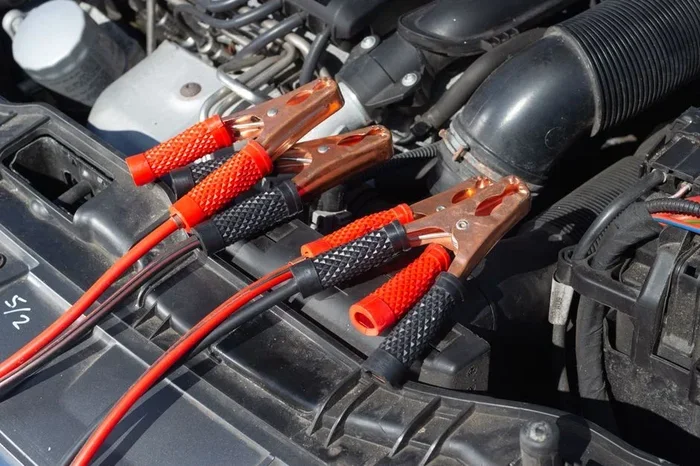
One common mistake drivers make is assuming a jump start fixes the underlying problem. A jump start gives you enough power to get going, but it does not address why the car would not start in the first place. If your car needed a jump start once, it is likely to happen again unless you fix the root cause.
Another expert tip is to keep a portable jump starter in your trunk. These small devices are inexpensive and can save you from a long walk to find help. They are especially useful for people who park outdoors or live in areas with harsh winters.
Key Takeaways
- Cold weather reduces battery output significantly: Even a fully charged battery loses up to 60 percent of its cranking power at freezing temperatures.
- Corroded terminals are a hidden and common cause: A dirty connection blocks power delivery even when the battery itself is strong.
- Thick engine oil increases strain on your starting system: Using the right winter oil weight reduces stress on your battery and starter.
- Aging batteries fail first in cold weather: Batteries older than four years are much more vulnerable and should be tested or replaced before winter.
- Parasitic drains and fuel line freezing are less obvious causes: These problems often go unnoticed until temperatures drop significantly.
- Prevention is simple and effective: A battery tender, block heater, clean terminals, and smart parking can prevent most cold-weather no-start issues.
- Do not ignore repeated starting problems: Each failed start drains the battery further and can cause additional damage to your starting system.
Final Thoughts
Dealing with a car wont start battery charged when cold situation is frustrating, but it is almost always solvable. The key is understanding that cold weather affects your entire starting system, not just the battery. From thickened oil to corroded terminals to aging components, many factors work together to create this common winter problem.
The good news is that most of these issues are preventable with a little preparation. Clean your terminals, test your battery, use the right oil, and consider a block heater if you live in a cold climate. These small steps make a huge difference when temperatures drop.
If you have already tried the basics and your car still will not start, do not hesitate to visit a trusted mechanic. A professional diagnosis can save you time, money, and a lot of stress. Winter driving does not have to be a guessing game. With the right knowledge and a little preparation, you can keep your car running strong all season long.
Take care of your car before winter hits, and your car will take care of you when the temperatures drop. Stay warm, stay prepared, and drive safely.
Frequently Asked Questions
Why does my car battery die in cold weather even when it is fully charged?
Cold temperatures slow down the chemical reactions inside your battery, reducing its ability to deliver power. A fully charged battery at room temperature might only deliver 40 to 60 percent of its capacity at freezing. This drop in output is often enough to prevent the engine from turning over.
Can I use any battery charger to recharge my car battery in winter?
Most standard battery chargers work fine, but a smart charger or battery maintainer is the best choice for winter use. These devices adjust the charging rate automatically and prevent overcharging. They are especially useful for cars that sit parked for long periods during cold months.
How do I know if my starter motor is causing the no-start problem?
Listen for a single heavy click or a grinding noise when you turn the key. If the engine does not crank at all or cranks very slowly despite a good battery, the starter motor is a likely suspect. A mechanic can perform a starter draw test to confirm the diagnosis.
Does parking in a garage really help prevent cold starting problems?
Yes, even a garage that is not heated makes a significant difference. It shields your car from wind and freezing temperatures, which keeps the battery and engine warmer. A warmer battery delivers more cranking power, and thinner oil flows more easily through a warmer engine.
How often should I replace my car battery before winter?
Most batteries last between three and five years. If your battery is approaching three years old and you live in a cold climate, have it tested before winter. Many auto parts stores test batteries for free and can recommend a replacement if needed.
What is the best oil weight for cold weather driving?
For most vehicles in cold climates, 5W-30 or 0W-20 oil is recommended. These thinner oils flow easily at low temperatures and reduce the strain on your battery and starter motor. Always check your owners manual for the manufacturer recommended oil weight.