Tesla Mobile 220V Wire Gauge Everything You Need to Know
Tesla Mobile 220V wire gauge is a critical factor that determines how safely and efficiently your Tesla charges at home. Using the correct wire gauge for 220V outlets ensures optimal charging speed and prevents electrical hazards. This guide covers everything from NEMA 14-50 requirements to Tesla Mobile Connector setup tips for a smooth EV charging experience.
This is a comprehensive guide about tesla mobile 220v wire guage.
Key Takeaways
- Correct wire gauge matters: Using the right Tesla Mobile 220V wire gauge ensures safe and efficient charging at home.
- NEMA 14-50 is the standard: Most Tesla owners use a 220V NEMA 14-50 outlet for reliable Level 2 charging.
- Wire gauge depends on amperage: The amperage draw of your setup directly affects which gauge size you need.
- Voltage drop is a real risk: Too-thin wires cause voltage drop, which slows charging and creates heat.
- Professional installation is recommended: Always consult a licensed electrician for electrical panel and outlet setup.
- Tesla Wall Connector is faster: While the Mobile Connector works great, the Wall Connector offers superior charging speed.
- Safety first: Proper circuit breaker sizing and ground fault protection are non-negotiable for any Tesla charging setup.
[FEATURED_IMAGE_PLACEHOLDER]
What Is Tesla Mobile 220V Wire Gauge and Why It Matters
If you own a Tesla or are thinking about buying one, you have probably heard about Tesla Mobile 220V wire gauge. But what does it actually mean, and why should you care? Simply put, the wire gauge refers to the thickness of the electrical cable used to power your Tesla at home. The right gauge size makes sure your car charges safely, quickly, and without overheating.
When you plug your Tesla into a 220V outlet, the electrical current flows through copper wiring. If that wire is too thin, it struggles to handle the load. This creates heat, slows down charging speed, and in worst cases, becomes a fire hazard. That is exactly why understanding wire gauge is so important for every Tesla owner.
Most people want to set up home EV charging as quickly as possible. They buy a Tesla Mobile Connector, grab an adapter, and plug in. But skipping the wire gauge discussion is a mistake. Taking a few extra minutes to learn about electrical requirements can save you money, time, and serious headaches down the road.
The good news is that this topic is not as complicated as it sounds. Once you understand a few basic concepts, everything clicks into place. Let us walk through it together.
How Wire Gauge Works
Wire gauge is measured using the American Wire Gauge (AWG) system. Here is the simple truth: the lower the number, the thicker the wire. A 6 AWG wire is much thicker than a 12 AWG wire. Thicker wires carry more current without overheating. This is the foundation of everything you need to know about Tesla Mobile 220V wire gauge.
When electricity flows through a wire, it generates heat. The thinner the wire, the more heat it produces under heavy load. Think of it like water flowing through a garden hose. A thin hose restricts flow. A thick hose lets water move freely. The same principle applies to electrical current in your charging setup.
Understanding Wire Gauge and Electrical Basics
Before we dive into specific numbers, let us cover some basics. These concepts make the rest of this guide much easier to follow. You do not need to be an electrician, but a little knowledge goes a long way.
Amperage and Voltage Explained
Amperage is the amount of electrical current flowing through a wire. Voltage is the pressure pushing that current. Together, they determine how much power reaches your Tesla. A 220V outlet delivers higher voltage than a standard 120V household outlet. This means faster Level 2 charging for your vehicle.
Most Tesla Mobile Connector setups draw between 32 and 48 amps depending on the configuration. The circuit breaker in your electrical panel controls the maximum amperage. Matching your wire gauge to the amperage is the single most important step in any EV charging installation.
What Is Voltage Drop and Why Should You Care
Voltage drop happens when the wire is too long or too thin for the current it carries. It means less power reaches your Tesla. The result? Slower charging speed and wasted energy. In some cases, it can also damage the charging cable over time.
To avoid voltage drop, you need to pick the right wire gauge for the distance between your electrical panel and the outlet. Longer runs need thicker wires. This is one of the most overlooked details in home EV charging installations.
Recommended Wire Gauge for Tesla Mobile 220V Setup
Now let us get to the part you have been waiting for. What is the correct Tesla Mobile 220V wire gauge for your setup? The answer depends on a few factors, but here are the general guidelines.
Wire Gauge Chart for Common Setups
Below is a quick reference guide for the most common Tesla charging configurations:
- 32-amp circuit: Use 8 AWG copper wire. This is the minimum for most Mobile Connector setups at 220V.
- 40-amp circuit: Use 6 AWG copper wire. This is the most popular choice for NEMA 14-50 outlets.
- 48-amp circuit: Use 6 AWG copper wire for shorter runs. For longer distances, upgrade to 4 AWG.
- 50-amp circuit: Use 6 AWG copper wire. Always check local electrical codes before finalizing your choice.
Why Copper Wiring Is the Best Choice
When it comes to Tesla Mobile 220V wire gauge, always use copper wiring. Copper has excellent conductivity and handles heat better than aluminum. Aluminum wires are cheaper, but they require special connectors and are more prone to overheating. For home EV charging, copper is the clear winner.
Also, make sure you buy THHN-rated or NM-B rated cables. These are designed for the heat generated during Level 2 charging. Using the wrong type of cable is a common and dangerous mistake.
How Distance Affects Wire Gauge Selection
If your electrical panel is far from where you plan to install the outlet, you need a thicker wire. A general rule of thumb is to add one gauge size for every 50 feet of cable run. For example, if a 40-amp circuit normally requires 6 AWG at 25 feet, you might need 4 AWG at 75 feet.
This prevents voltage drop and keeps your charging speed consistent. It is a small adjustment that makes a big difference in performance and safety.
How to Install a 220V Outlet for Tesla Charging
Installing a 220V outlet for your Tesla is a project many owners tackle themselves. However, electrical work carries real risks. Always prioritize safety and know your limits.
Step-by-Step Installation Guide
Here is a simplified overview of the electrical installation process:
- Check your electrical panel: Make sure you have enough capacity for a dedicated 220V circuit. A 50-amp breaker is the most common choice for Tesla charging.
- Choose the right wire gauge: Based on the amperage and distance, select the appropriate Tesla Mobile 220V wire gauge from the chart above.
- Run the cable: Feed the copper wiring from the panel to the outlet location. Use proper conduit where required.
- Install the NEMA 14-50 outlet: This is the standard 220V outlet for Tesla Mobile Connector setups.
- Connect the circuit breaker: Attach the hot wires to the breaker and the neutral and ground wires to the panel bus.
- Test the setup: Use a multimeter to verify voltage and grounding before plugging in your Tesla.
When to Call a Professional
If any of these steps feel unfamiliar, hire a licensed electrician. Electrical installation is not something to experiment with. A professional will ensure your circuit breaker, ground fault protection, and wire gauge all meet local codes. It is worth the investment for peace of mind.
Common Mistakes to Avoid with Tesla Mobile 220V Wiring
Even well-meaning Tesla owners make wiring mistakes. These errors can lead to slow charging, equipment damage, or worse. Here are the most common pitfalls to watch out for.
Using the Wrong Wire Gauge
The biggest mistake is using wire that is too thin. Some people grab whatever gauge is available at the hardware store. This is dangerous. Undersized wire gauge causes overheating, melted insulation, and potential fire hazards. Always match your wire to the amperage and distance requirements.
Ignoring Voltage Drop
Another common error is ignoring voltage drop. People install a 220V outlet far from the panel without upgrading the wire size. The result is painfully slow charging speed. Your Tesla works harder to pull power through a thin, long cable. Fix this by calculating the proper gauge for the full cable length.
Skipping Ground Fault Protection
Ground fault protection is not optional. It protects you and your family from electrical shock. Every Tesla charging setup should include a GFCI breaker or GFCI outlet. This is a non-negotiable safety feature for any EV charging installation.
Overloading the Circuit
Do not share a 220V circuit with other high-power appliances. A dedicated circuit ensures your Tesla gets consistent power. Sharing circuits leads to tripped breakers, reduced charging speed, and potential electrical damage.
Tesla Mobile Connector vs. Wall Connector
Many Tesla owners wonder whether they should use the Mobile Connector or upgrade to a Tesla Wall Connector. Both options support 220V charging, but they are quite different.
Tesla Mobile Connector
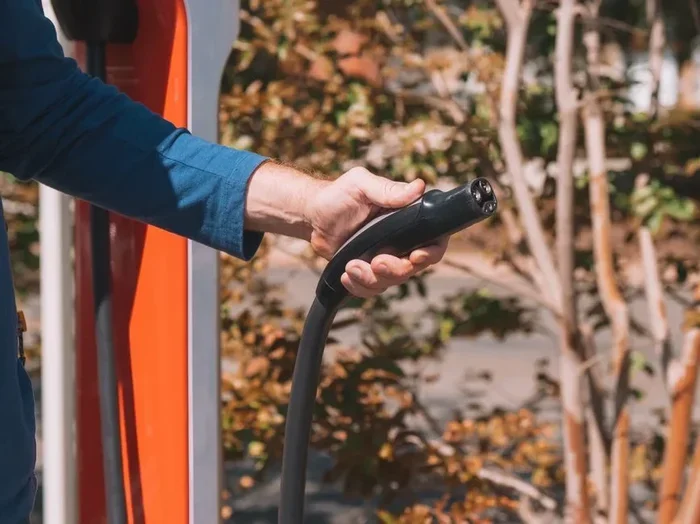
The Tesla Mobile Connector is the portable charging solution that comes with every new Tesla. It plugs into a NEMA 14-50 outlet and delivers up to 32 amps of power. It is convenient, portable, and perfect for home use or travel. However, it charges slower than a Wall Connector.
To get the best performance from the Mobile Connector, make sure your wire gauge and circuit breaker are properly sized. This is where Tesla Mobile 220V wire gauge becomes critical.
Tesla Wall Connector
The Tesla Wall Connector is a hardwired charging station that delivers up to 48 amps. It charges your Tesla significantly faster than the Mobile Connector. It also supports dynamic load balancing and looks sleek on your wall.
However, the Wall Connector requires a more robust electrical panel and thicker wire gauge. It is best suited for owners who charge daily and want the fastest possible home EV charging experience.
Comparison Table
| Feature | Mobile Connector | Wall Connector |
|---|---|---|
| Max Amperage | 32 amps | 48 amps |
| Charging Speed | Moderate | Fast |
| Portability | Yes | No |
| Wire Gauge Needed | 6-8 AWG | 6 AWG |
| Installation Complexity | Plug-and-play | Hardwired |
| Best For | Occasional charging | Daily fast charging |
Expert Tips for Optimal Tesla Charging at Home
Want to get the most out of your Tesla Mobile 220V setup? Here are some expert-backed tips that make a real difference.
Use a Dedicated 220V Circuit
Never share your Tesla charging circuit with other devices. A dedicated circuit provides stable power and prevents breaker trips. This is the single easiest way to improve your charging speed and protect your electrical system.
Keep Cables Neat and Coiled
When not in use, coil your charging cable neatly. Avoid running it through doorways or windows where it can get pinched or damaged. Proper cable management extends the life of your Mobile Connector and keeps things safe.
Monitor Your Charging Speed
If your Tesla seems to be charging slower than expected, check your wire gauge and voltage drop. A simple multimeter test at the outlet can reveal a lot. Sometimes the issue is as simple as a loose connection or an undersized wire.
Upgrade Your Electrical Panel If Needed
Older homes may have electrical panels that cannot support a 50-amp 220V circuit. If this is your situation, consider upgrading to a 200-amp panel before installing your Tesla charging setup. It is an investment that pays off in safety and performance.
Consider Solar Power
If you want to take your home EV charging to the next level, consider adding solar panels. A solar power system can offset the cost of charging your Tesla and reduce your carbon footprint. Many Tesla owners love the combination of solar panels and EV charging at home.
Conclusion
Getting the Tesla Mobile 220V wire gauge right is one of the most important steps in setting up safe, efficient home EV charging. Whether you use the Tesla Mobile Connector or plan to upgrade to a Wall Connector, the wire gauge you choose directly impacts charging speed, safety, and long-term reliability.
Remember to always match your wire gauge to the amperage and distance of your setup. Use copper wiring, install a dedicated circuit, and never skip ground fault protection. If you are ever unsure, consult a licensed electrician. Your safety and your Tesla are worth it.
With the right Tesla Mobile 220V wire gauge and a properly installed NEMA 14-50 outlet, you will enjoy fast, reliable EV charging every single day. Take the time to do it right, and your future self will thank you.
Frequently Asked Questions
What wire gauge should I use for a Tesla Mobile Connector on 220V?
For most Tesla Mobile Connector setups on 220V, use 6 AWG copper wire for a 40-amp circuit. This is the most common and recommended wire gauge for NEMA 14-50 outlets. Always check the amperage rating of your circuit before finalizing your choice.
Can I use aluminum wire instead of copper for Tesla charging?
It is not recommended. Copper wiring offers better conductivity and handles heat more effectively than aluminum. Aluminum requires special connectors and is more prone to overheating. For Tesla Mobile 220V wire gauge installations, always choose copper for safety and performance.
How far can I run the wire from my electrical panel to the outlet?
The distance affects your wire gauge choice. As a general rule, add one gauge size for every 50 feet of cable run. This prevents voltage drop and maintains consistent charging speed. For most home setups under 50 feet, the standard 6 AWG wire works perfectly.
Do I need a dedicated circuit for Tesla 220V charging?
Yes, absolutely. A dedicated circuit ensures your Tesla receives stable power without overloading your electrical panel. Sharing a circuit with other appliances can cause breaker trips, slower charging speed, and potential electrical hazards. Always install a dedicated 220V circuit for your Tesla.
What is the difference between a NEMA 14-50 outlet and a NEMA 6-50 outlet for Tesla charging?
A NEMA 14-50 outlet has four prongs and includes a ground wire, making it safer and more versatile. A NEMA 6-50 outlet has three prongs and lacks a ground. The NEMA 14-50 is the recommended standard for Tesla Mobile Connector setups and is required by most electrical codes.
Should I hire an electrician to install my Tesla charging outlet?
If you have any doubts about electrical installation, hire a licensed professional. A qualified electrician will ensure your wire gauge, circuit breaker, and ground fault protection all meet local codes. It is a small investment that protects your home, your Tesla, and your family.