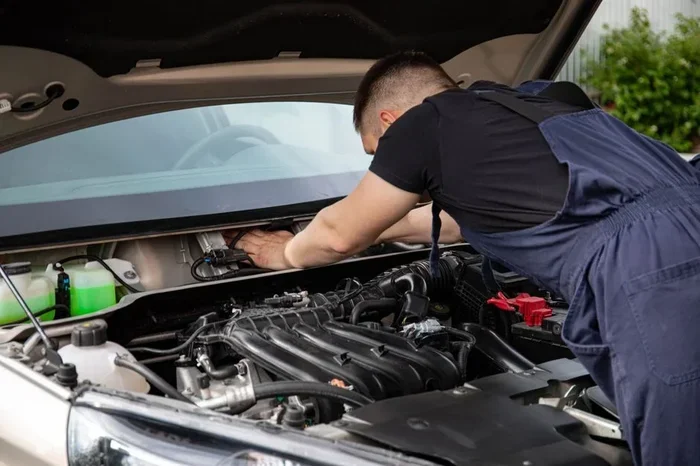
What Happens When Water Mix Gets in Your Car Engine
When water mix gets in your car engine, it can cause hydrolock, misfires, and severe internal damage. Even a small amount of water in the combustion chamber can ruin your engine over time. Understanding the causes, symptoms, and fixes helps you act fast and save money on costly repairs.
You turn the key, and your car cranks but won’t start. Or worse, it starts and immediately sounds rough and awful. If you suspect water mix in car engine, you are not alone. This is one of the most common and most damaging problems a driver can face. Water in your engine can cause everything from minor performance drops to a completely seized motor. In this guide, we will walk you through exactly what happens, why it happens, and what you can do about it.
Whether you drove through a deep puddle, dealt with a coolant leak, or found condensation in your engine bay, understanding the risks is the first step to protecting your vehicle. Let us break it all down in simple terms so you know exactly what to look for and how to respond.
Key Takeaways
- Hydrolock is the biggest danger: water in the engine can prevent pistons from moving and bend your connecting rods.
- Early warning signs matter: white smoke, rough idling, and oil discoloration are red flags you should never ignore.
- Water can enter through multiple paths: a damaged air filter, flooded intake, or leaking coolant system are common culprits.
- Repair costs vary widely: minor cases may need a simple flush, while severe hydrolock can cost thousands in engine rebuilds.
- Prevention is simple: regular maintenance, proper sealing, and smart driving habits keep water out of your engine.
📑 Table of Contents
What Is Water Mix in a Car Engine?
Your car engine runs on a precise mixture of air and fuel. This is called the air-fuel ratio, and your engine depends on it to work properly. When water mix gets in your car engine, it disrupts this delicate balance. Water does not compress the same way air and fuel do. So when water enters the combustion chamber, it can cause serious mechanical problems.
Water can enter your engine in different forms. It might come as liquid water from flooding or a leak. It can also appear as steam or condensation that builds up over time. No matter the form, even a small amount of water in the wrong place can create big trouble for your engine internals.
How Does Water Enter the Engine?
There are several common ways water finds its way inside your engine:
- Driving through deep water: puddles, flooded roads, and streams can splash water into your air intake.
- Coolant system leaks: a blown head gasket or cracked radiator hose can let coolant seep into the combustion chamber.
- Condensation buildup: humidity and temperature changes can cause water droplets to form inside the engine bay.
- Damaged air filter: a wet or clogged air filter can allow moisture to pass through into the intake manifold.
- Faulty seals or gaskets: worn-out engine seals can let water from the cooling system leak into places it should not be.
Each of these scenarios can lead to water contamination in your engine oil and other vital fluids. Once water mixes with your engine oil, it loses its lubricating properties. This means metal parts start grinding against each other without proper protection.
How Water Gets Into Your Car Engine
Understanding the pathways water uses to enter your engine helps you take better preventive steps. Let us look at the most common entry points in detail.
The Air Intake System
Your engine breathes through an air intake system. The air filter catches dust and debris, but it is not designed to block water. If you drive through standing water and it splashes up into the air intake, water can travel straight into the combustion chambers. This is called engine hydrolock, and it is one of the most serious outcomes of water entering through the intake.
The Cooling System
Your car uses coolant to keep the engine from overheating. But if a component fails, coolant can leak into areas where fuel and air should be. A damaged head gasket is one of the most common causes of coolant leaking into the cylinders. When this happens, you get a water and coolant mix in your engine that can cause overheating, white smoke, and loss of power.
The Exhaust System and Condensation
Condensation is a natural process. When your engine heats up and then cools down, moisture can form inside the exhaust system and even in the intake manifold. In small amounts, this condensation is normal. But over time, if it builds up and is not addressed, it can cause corrosion and water-related engine problems.
Signs That Water Has Entered Your Engine
Catching the early signs of water in your engine can save you from a full engine replacement. Here are the most common symptoms to watch for:
White Smoke From the Exhaust
If you see thick white smoke coming from your tailpipe, that is a strong sign of water in the combustion chamber. This happens because water turns to steam when it contacts hot engine parts. Unlike normal exhaust, this smoke often smells sweet because it is carrying coolant vapor.
Engine Misfires and Rough Idle
Water does not burn like fuel does. So when water sits in a cylinder, it prevents proper combustion. You might notice your engine sputtering, hesitating, or running rough at idle. These misfires are your engine telling you something is wrong inside the cylinders.
Oil Looks Milky or Frothy
Check your engine oil dipstick. If the oil looks milky, frothy, or has a tan color, water has mixed with your oil. This is a serious problem because oil that is contaminated with water cannot lubricate your engine parts properly.
Engine Won’t Start or Cranks Slowly
In severe cases, water in the cylinders creates a hydraulic lock. The pistons cannot move because water does not compress. When you turn the key, the engine may crank very slowly or not at all. This is a clear sign of hydrolock from water in the engine and requires immediate attention.
Unusual Sounds From the Engine Bay
Listen carefully when you start your car. If you hear knocking, pinging, or splashing sounds, water may be interfering with the normal operation of your pistons and crankshaft. These sounds often indicate that liquid is present where it should not be.
What Happens When Water Mix Gets in Your Car Engine
This is the big question, and the answer depends on how much water enters and where it goes. Let us walk through the damage step by step.
Damage to the Pistons and Connecting Rods
When water enters a cylinder and the engine tries to compress it, the results can be catastrophic. Water is not compressible like air. The pressure can bend your connecting rods or crack your pistons. In worst cases, a broken connecting rod can punch through the engine block. This type of damage often means a complete engine replacement or a very expensive rebuild.
Corrosion and Rust Inside the Engine
Even if water does not cause immediate hydrolock, it can cause long-term corrosion. Metal engine components like cylinder walls, piston rings, and valve seats are all susceptible to rust when exposed to moisture. Over weeks and months, this corrosion can weaken internal parts and reduce engine life significantly.
Damage to the Catalytic Converter
When water and unburned fuel pass through the exhaust system, they can damage your catalytic converter. The converter is designed to process exhaust gases, not liquid water. Water pooling inside the converter can cause it to clog or melt, leading to expensive replacement costs.
Engine Oil Contamination
Water mixing with your engine oil creates a sludgy, abrasive mixture. This contaminated oil does not flow properly through your engine. Bearings, camshafts, and crankshafts all suffer from poor lubrication. Over time, this leads to increased wear and eventual engine failure.
Electrical and Sensor Problems
Modern cars rely heavily on sensors and electronic components. Water in the engine bay can short out sensors, disrupt the engine control unit, and cause erratic behavior across multiple systems. These electrical problems can be tricky to diagnose and expensive to repair.
Comparison: Minor vs. Severe Water Damage
| Aspect | Minor Water Exposure | Severe Water Ingestion |
|---|---|---|
| Amount of Water | Small condensation or trace amounts | Significant volume from flooding or hydrolock |
| Engine Starts? | Yes, but may run rough | No or very slow cranking |
| Smoke From Exhaust | Minimal white smoke | Heavy white or blue smoke |
| Oil Condition | Slightly milky | Thick, frothy, or emulsified |
| Repair Cost | $100 – $500 | $2,000 – $8,000+ |
| Engine Life Impact | Minimal if addressed quickly | Potentially fatal without full rebuild |
As you can see, the severity of damage depends heavily on how much water entered and how quickly you respond. Acting fast is always your best strategy.
How to Fix a Water-Damaged Engine
If you suspect water has entered your engine, do not keep driving. Here is what you should do step by step.
Step 1: Do Not Start the Engine
If you know water has gotten into the engine, avoid turning the key. Starting the engine with water in the cylinders can make the damage worse. Every time a piston tries to compress water, it risks bending rods or cracking components.
Step 2: Tow the Vehicle to a Mechanic
Have your car towed to a trusted mechanic or auto repair shop. Driving a water-damaged engine can push water deeper into sensitive components and increase repair costs significantly.
Step 3: Drain and Replace Fluids
Your mechanic will drain the engine oil, coolant, and any other contaminated fluids. Fresh fluids are then added to protect the engine during inspection and repair.
Step 4: Inspect Internal Components
The mechanic will remove the spark plugs and inspect the cylinders, pistons, and connecting rods. They may also perform a compression test to check for damage. In some cases, the engine needs to be partially disassembled for a thorough inspection.
Step 5: Dry Out and Reassemble
After inspection, all affected components are dried, cleaned, or replaced. The engine is reassembled with new fluids and seals, then tested for proper operation.
Step 6: Monitor for Recurring Issues
Even after repairs, keep an eye on your engine for a few weeks. Watch for recurring smoke, oil discoloration, or performance issues. These can indicate that water is still entering the system through an unresolved leak.
How to Prevent Water From Entering Your Engine
Prevention is always better than repair. Here are some practical tips to keep water out of your engine:
- Avoid deep standing water: Never drive through water that is above your bumper height. Even a few inches of water can splash into your air intake.
- Check your air filter regularly: A clean, dry air filter helps prevent moisture from entering the intake system.
- Maintain your cooling system: Regular coolant flushes and hose inspections help prevent leaks that could introduce water into the cylinders.
- Park in a covered area: Keeping your car in a garage reduces exposure to rain, humidity, and condensation.
- Address leaks immediately: If you notice coolant puddles under your car or a sweet smell from the exhaust, get it checked right away.
- Use moisture-absorbing products: Engine bay covers and silica gel packs can help reduce condensation in humid climates.
- Follow your maintenance schedule: Regular oil changes and inspections catch small problems before they become big ones.
Taking these simple steps goes a long way in protecting your engine from water contamination and water-related damage. A little prevention today can save you thousands of dollars tomorrow.
Final Thoughts on Water in Your Engine
Dealing with water mix in car engine is never a fun experience. But the more you know, the better prepared you are to handle it. Whether you caught the problem early or are facing serious hydrolock damage, understanding the causes, symptoms, and fixes puts you in control.
Always take warning signs seriously. White smoke, rough idling, and milky oil are your engine’s way of asking for help. The sooner you act, the better your chances of avoiding a full engine replacement. Keep up with regular maintenance, drive smart in wet conditions, and your engine will thank you for years to come.
Remember, your car engine is a complex machine that runs best when everything stays dry and balanced. Protect it, maintain it, and it will protect you every time you turn that key.
Frequently Asked Questions
Can a small amount of water in the engine cause damage?
Yes, even a small amount of water can cause problems over time. Water in the oil reduces lubrication, and water in the cylinders can cause corrosion. It is best to address any water contamination as soon as you notice it.
How do I know if my engine has hydrolocked from water?
Hydrolock symptoms include the engine not starting, slow cranking, or a knocking sound when you try to turn the key. If you suspect hydrolock, do not keep trying to start the engine. Tow it to a mechanic immediately.
Is it safe to drive with water in the engine oil?
No, it is not safe. Water-contaminated oil does not lubricate properly and can cause severe engine wear. Stop driving and have the vehicle towed to a repair shop for an oil change and inspection.
How much does it cost to fix water damage in a car engine?
Costs vary depending on the severity. Minor cases like an oil flush may cost $100 to $500. Severe hydrolock damage requiring engine rebuilds or replacements can cost $2,000 to $8,000 or more.
Can water in the engine fix itself over time?
No. Water does not evaporate on its own from the combustion chamber or oil system. You need to drain contaminated fluids, inspect components, and replace any damaged parts. Ignoring the problem will only make it worse.
What should I do if I drive through a flooded road?
If you drive through deep water, stop and do not restart the engine. Have the car towed to a mechanic. Let them inspect the air intake, cylinders, and fluids for water contamination before you attempt to drive again.
=== META DESCRIPTION ===
Learn what happens when water mix gets in your car engine, the warning signs, repair costs, and how to protect your engine from serious damage. Read expert tips now!