Everything You Need to Know About the Best Hydraulic Jack
The best hydraulic jack makes tire changes and vehicle repairs faster and safer. Whether you need a hydraulic floor jack for your garage or a portable bottle jack for emergencies, picking the right one depends on load capacity, lifting height, and build quality. This guide covers everything you need to choose with confidence.
Changing a tire on the side of a road can be stressful. Having the right tool makes all the difference. A best hydraulic jack gives you the power and precision you need to get the job done safely. Whether you are a weekend DIYer or a professional mechanic, choosing the right car jack is one of the smartest investments you can make.
Hydraulic jacks use fluid pressure to lift heavy loads with ease. They are a staple in every garage, repair shop, and emergency kit. But not all jacks are created equal. Size, weight capacity, and design all matter. This guide walks you through everything you need to know. From types and features to top picks and maintenance tips, you will find all the answers here.
Key Takeaways
- Hydraulic jacks use fluid pressure to lift heavy loads with minimal effort
- Floor jacks and bottle jacks serve different purposes and vehicle types
- Load capacity and lifting height are the two most important specs to check
- Steel construction and a low profile design ensure durability and stability
- Regular maintenance keeps your jack safe and extends its lifespan
- Always use a jack stand alongside your hydraulic jack for safety
📑 Table of Contents
- What Is a Hydraulic Jack and How Does It Work?
- Types of Hydraulic Jacks You Should Know About
- Top Features to Look for in the Best Hydraulic Jack
- Best Hydraulic Jacks for Different Needs
- How to Choose the Right Hydraulic Jack for Your Vehicle
- Maintenance Tips to Keep Your Hydraulic Jack Running Smoothly
- Conclusion
What Is a Hydraulic Jack and How Does It Work?
A hydraulic jack is a mechanical device that uses hydraulic pressure to lift heavy objects. It works by pushing incompressible fluid through a cylinder. This creates a mechanical advantage that multiplies your input force. The result? You can lift thousands of pounds with just a few pumps of a handle.
The Basic Principle Behind Hydraulic Jacks
The science behind a hydraulic jack is simple but brilliant. You apply a small force to a small piston. That force transfers through hydraulic fluid to a larger piston. Because of the difference in piston sizes, the output force is much greater. This is how a hydraulic floor jack can lift a full-size truck with minimal effort.
Most jacks use a hand pump or a foot pedal to build pressure. The fluid inside is usually special hydraulic fluid that does not compress easily. This ensures smooth and consistent lifting. The entire process is clean, quiet, and incredibly efficient.
If you have ever wondered why hydraulic jacks are so popular in the automotive world, this is the reason. They offer reliable lifting capacity without requiring bulky equipment. A basic car jack setup can handle most routine maintenance tasks with ease.
Types of Hydraulic Jacks You Should Know About
Not every jack is the same. Different designs serve different purposes. Understanding the types available helps you make a smarter choice. Here are the most common options you will find on the market.
Hydraulic Floor Jacks
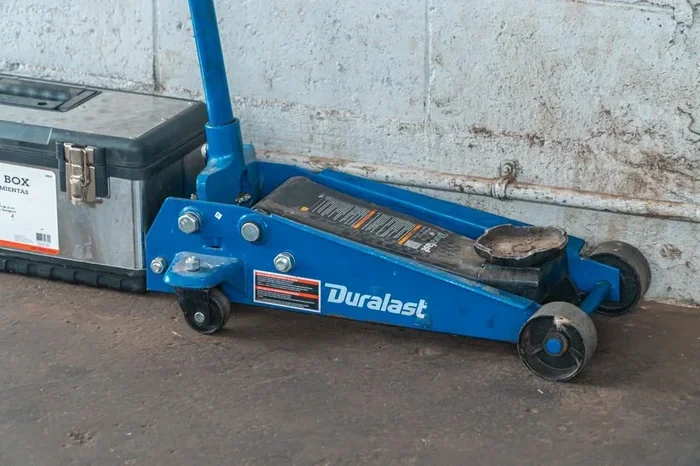
A hydraulic floor jack is the most popular choice for home garages. It sits flat on the ground and rolls under your vehicle. These jacks offer a low profile design, which makes them easy to fit under most cars and SUVs. They typically come with wheels for smooth positioning.
Floor jacks are perfect for routine vehicle maintenance like oil changes, brake repairs, and tire rotations. Most models offer a lifting range between 11 and 20 inches. The load capacity varies widely, from 2 tons for light cars to 10 tons for heavy-duty trucks.
Bottle Jacks
A bottle jack gets its name from its tall, narrow shape. It stands upright like a bottle and lifts from a single point. These jacks are compact and portable, making them a great addition to any emergency kit.
Bottle jacks excel at high lifting heights. They are commonly used in construction and agricultural work. A heavy duty jack of this type can handle 20 tons or more. However, they have a smaller base footprint, so stability can be a concern on uneven surfaces.
Scissor Jacks
Scissor jacks are the small, rectangular jacks that often come bundled with new vehicles. They use a folding scissor mechanism to lift the car. They are lightweight and easy to store in a trunk.
While convenient for tire changing on the go, scissor jacks have limited weight capacity. They work best for compact and midsize sedans. For heavier vehicles or frequent use, a hydraulic floor jack is a better option.
Portable Hydraulic Jacks
A portable jack combines the power of hydraulic lifting with easy transport. These are smaller versions of floor jacks that fold up for storage. They are ideal for people with limited garage space or those who need a backup jack on road trips.
Portable options have improved a lot in recent years. Many now offer steel construction and lifting capacities that rival full-size models. They strike a great balance between convenience and power.
Comparison Table: Hydraulic Jack Types
| Type | Best For | Typical Capacity | Portability |
|---|---|---|---|
| Hydraulic Floor Jack | Garage use, routine maintenance | 2–10 tons | Moderate (has wheels) |
| Bottle Jack | High lifting, construction | 10–20+ tons | Good (compact shape) |
| Scissor Jack | Emergency tire changes | 1.5–3 tons | Excellent (lightweight) |
| Portable Jack | Travel, small garages | 2–6 tons | Excellent (folds up) |
Top Features to Look for in the Best Hydraulic Jack
Not all hydraulic jacks deliver the same performance. Some are built for durability, while others prioritize convenience. Knowing what features matter most helps you narrow down your options.
Load Capacity and Weight Rating
The most important spec is load capacity. This tells you the maximum weight the jack can safely lift. Always choose a jack rated higher than your vehicle’s weight. As a rule of thumb, pick a jack that handles at least 1.5 times your vehicle’s curb weight.
For most passenger cars, a 2- to 3-ton jack works well. Trucks and SUVs usually need a 4- to 6-ton jack. If you work in a repair shop, consider a 10-ton model for versatility.
Lifting Height and Low Profile Design
Lifting height refers to how low the jack can go and how high it can raise your vehicle. A low profile jack is essential for vehicles with limited ground clearance. Look for a minimum height that fits under your car’s frame or pinch weld.
The maximum lifting height matters too, especially if you work on large trucks or SUVs. A jack with adjustable height gives you more flexibility for different jobs.
Build Quality and Materials
Steel construction is the gold standard for durability. Avoid jacks made entirely of plastic or thin aluminum. The pump mechanism, release valve, and saddle should all feel solid and well-built. A sturdy base prevents the jack from tipping during use.
Quick Tips for Evaluating Build Quality
- Check the warranty period. Longer warranties often mean better build confidence.
- Look for a reinforced saddle that won’t damage your vehicle’s frame.
- Test the release valve before purchase if possible. It should operate smoothly.
- Read reviews for real-world feedback on long-term durability.
Ease of Use
A good jack should be simple to operate. The pump handle should feel comfortable in your hand. Smooth pumping action and easy lowering are signs of quality engineering. Some premium models include swivel casters and quick-lift features for added convenience.
Best Hydraulic Jacks for Different Needs
Choosing the right jack depends on what you plan to do with it. Here are some scenarios and the best jack types for each.
For Home Garage Use
If you have a dedicated garage space, a hydraulic floor jack is the clear winner. Look for a 3- to 6-ton model with a low profile. Brands like Torin, Arcan, and Powerbuilt offer excellent options at various price points. A floor jack makes oil changes, brake jobs, and suspension work much easier.
Pair your floor jack with quality jack stands for added safety. Never rely on a jack alone to hold your vehicle while you work underneath it.
For Off-Road and Truck Owners
Heavy-duty trucks and off-road vehicles need serious lifting power. A heavy duty jack with a 6- to 10-ton rating is ideal. Bottle jacks work well in this category because of their high lifting capacity and compact footprint.
Make sure the jack has a wide base for stability on uneven terrain. Off-road recovery situations demand reliable equipment that won’t fail under pressure.
For Roadside Emergencies
A portable jack or compact bottle jack is perfect for your trunk. You want something lightweight that you can grab quickly. A scissor jack works for basic tire changes, but a small hydraulic bottle jack gives you more lifting power in a pinch.
Keep your emergency jack maintained. Check the hydraulic fluid level and pump it occasionally to keep it in working order.
How to Choose the Right Hydraulic Jack for Your Vehicle
Selecting the right jack comes down to a few key factors. Follow this simple checklist to make the right decision.
- Check your vehicle’s weight. Find the curb weight in your owner’s manual. Choose a jack rated well above that number.
- Measure your ground clearance. A low-profile jack fits under most vehicles. Measure the clearance at the pinch weld before buying.
- Consider your workspace. A small garage calls for a compact or folding jack. A large shop allows for a full-size floor jack.
- Think about frequency of use. Occasional use? A budget scissor jack may suffice. Frequent use? Invest in a quality hydraulic floor jack.
- Set a budget. Good hydraulic jacks range from $50 to $300. Spending more upfront often saves money on replacements later.
When shopping for automotive tools, do not overlook the importance of warranty and customer support. A reputable brand stands behind its products. Read through user reviews carefully. Look for patterns in feedback about durability, ease of use, and customer service experiences.
Common Mistakes to Avoid
- Buying a jack with insufficient capacity. This is dangerous and can lead to equipment failure.
- Ignoring the minimum lifting height. If the jack cannot get low enough, it will not fit under your vehicle.
- Skipping jack stands. A jack is a lifting tool, not a support tool. Always use stands for under-vehicle work.
- Neglecting maintenance. Old hydraulic fluid reduces performance and can damage internal seals.
- Choosing style over substance. A flashy jack with poor build quality is not worth the money.
Maintenance Tips to Keep Your Hydraulic Jack Running Smoothly
A well-maintained jack lasts for years. Regular care keeps it safe and performing at its best. Follow these simple steps to get the most out of your best hydraulic jack.
Check Hydraulic Fluid Regularly
Inspect the fluid level every few months. Low fluid means the jack has to work harder, which wears out internal components faster. Use only the hydraulic fluid recommended by the manufacturer. Never mix different fluid types.
Keep It Clean and Lubricated
Wipe down your jack after each use. Dirt and debris can damage seals and moving parts. Apply a light lubricant to the pump handle, release valve, and any pivot points. This keeps operations smooth and prevents rust.
Store It Properly
Store your jack in a cool, dry place. Avoid leaving it in direct sunlight or in a damp garage where moisture can cause corrosion. Keep it away from heat sources that could degrade seals and fluid.
Inspect for Wear and Damage
Regularly check for cracks, dents, or leaking fluid. A damaged jack should be repaired or replaced immediately. Never use a jack that shows signs of structural failure. Safety should always come first when working with heavy lifting equipment.
Expert Insights on Jack Longevity
Experienced mechanics recommend replacing hydraulic fluid once a year if you use your jack frequently. This simple step prevents internal corrosion and keeps the pump running smoothly. Also, never exceed the rated capacity. Overloading a jack damages seals and compromises safety.
If you notice slow lifting or uneven raising, bleed the system according to the manufacturer’s instructions. This removes air pockets that reduce lifting power. Most issues with hydraulic jacks are preventable with basic care and attention.
Conclusion
Finding the best hydraulic jack does not have to be overwhelming. With the right knowledge, you can pick a jack that fits your vehicle, your workspace, and your budget. Whether you choose a hydraulic floor jack for your garage, a bottle jack for heavy lifting, or a portable option for emergencies, the key is matching the tool to your needs.
Focus on load capacity, lifting height, and build quality. Maintain your jack properly, and it will serve you reliably for years. Always remember to use jack stands alongside your jack for maximum safety. The right car jack transforms difficult jobs into simple tasks. Invest in quality equipment, and your vehicle maintenance becomes safer and more efficient.
Take the time to research, compare options, and choose wisely. Your future self will thank you every time you slide under your vehicle with confidence and ease.
Frequently Asked Questions
What is the best hydraulic jack for a sedan?
A hydraulic floor jack with a 2- to 3-ton capacity is ideal for most sedans. Look for a low-profile design that fits easily under the vehicle’s frame. These jacks offer smooth lifting and stable support for routine maintenance tasks.
Can I use a hydraulic jack on a truck?
Yes, but you need a jack rated for your truck’s weight. Most full-size trucks require a 6-ton or higher hydraulic jack. Always check the manufacturer’s weight rating before lifting a heavy vehicle.
How often should I change hydraulic fluid in my jack?
For frequent use, replace the hydraulic fluid once a year. For occasional use, check the fluid level every six months. Fresh fluid keeps the pump running smoothly and prevents internal corrosion.
Is a bottle jack better than a floor jack?
It depends on your needs. A bottle jack offers higher lifting capacity and greater portability. A floor jack provides more stability and easier rolling under vehicles. Many garages benefit from having both on hand.
How high can a hydraulic jack lift?
Most hydraulic floor jacks lift between 11 and 20 inches. Bottle jacks can reach even higher. Check the maximum lifting height in the product specs to ensure it meets your needs for the vehicle you work on.
Can I leave a hydraulic jack under my car?
No, never leave a jack supporting a vehicle while you work underneath it. Always use jack stands for under-vehicle tasks. A jack is designed for lifting only, not for long-term support.