How Much Are Tesla Charges for Nissan Ariya Exactly
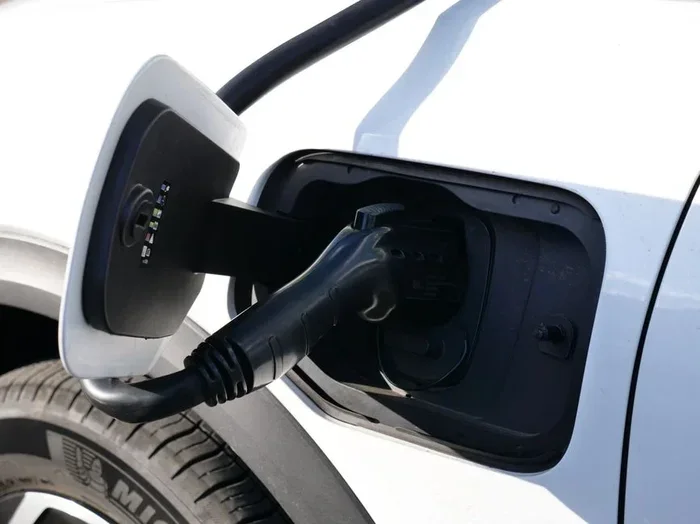
Tesla Supercharger costs for the Nissan Ariya typically range from $0.30 to $0.55 per kWh, meaning a full charge costs roughly $25 to $50 depending on your location and battery size. The Ariya can use Tesla’s Supercharger network thanks to the Magic Dock adapter, making long road trips more convenient than ever. Understanding these costs helps you plan budget-friendly EV road trips and compare charging options with confidence.
This is a comprehensive guide about how much are tesla chatges for a nissan ariya.
Key Takeaways
- Tesla Supercharger pricing for the Nissan Ariya runs between $0.30 and $0.55 per kWh, varying by state and station location.
- A full charge from empty to 100% costs approximately $25 to $50 depending on your Ariya’s battery configuration.
- The Nissan Ariya uses the CCS to Tesla Magic Dock adapter, giving access to thousands of Supercharger stations nationwide.
- Charging during off-peak hours can reduce costs significantly compared to peak-time sessions.
- Home charging remains the cheapest option, costing roughly $0.03 to $0.06 per kWh compared to Supercharger rates.
- Non-Tesla EV drivers pay a small premium at Superchargers, but Tesla offers occasional discounts and referral credits.
- Planning your charging stops strategically saves both time and money on long road trips with the Ariya.
[FEATURED_IMAGE_PLACEHOLDER]
How Much Are Tesla Charges for Nissan Ariya Owners?
If you drive a Nissan Ariya, you may have wondered about using Tesla’s massive Supercharger network. The good news is that the Ariya is compatible with Tesla chargers now. But the big question remains: how much does it actually cost? Understanding Tesla’s charging fees helps you budget for road trips and daily commuting.
The cost to charge a Nissan Ariya at Tesla Superchargers depends on several factors. These include your location, the time of day, and the state you are driving in. On average, you can expect to pay between $0.30 and $0.55 per kWh. For a full charge, this translates to roughly $25 to $50. That is much more affordable than many people assume.
Tesla opened its Supercharger network to non-Tesla electric vehicles starting in 2022. This was a game-changer for EV owners who wanted more charging options. The Nissan Ariya benefits greatly from this move. With over 25,000 Superchargers across North America, finding a charger has never been easier.
But cost is not just about the per-kWh rate. Session fees, idle fees, and regional pricing differences all play a role. Let us break down exactly what you will pay when you plug in your Ariya at a Tesla station.
Understanding Tesla Supercharger Pricing for the Ariya
How Tesla Sets Its Charging Rates
Tesla uses a per-kWh pricing model in most US states. This means you pay a fixed rate for every kilowatt-hour you consume. Some states, however, use a per-minute billing model instead. In these areas, you pay based on how long you are plugged in, not how much energy you receive.
Several factors influence the final price:
- State and local electricity rates — Tesla passes these costs to users.
- Station location — urban chargers often cost more than rural ones.
- Time of day — peak hours may see higher rates in some regions.
- Station demand — busy stations sometimes adjust pricing dynamically.
For the Nissan Ariya, this means your charging bill will vary from trip to trip. A charge in Texas might cost less than one in California. Always check the Tesla app before plugging in to see the exact rate.
Per-KWh vs. Per-Minute Billing Explained
In per-kWh states, you see a clear rate displayed at the charger. You know exactly what you are paying before you start charging. In per-minute states, the cost depends on your charging speed and session length.
Here is a quick comparison:
- Per-kWh billing: You pay a set rate for each unit of energy delivered. This is more predictable and easier to budget for.
- Per-minute billing: You pay based on time connected. Rates often have tiers — a lower rate during the initial charging phase and a higher rate once the battery reaches 80%.
Either way, Tesla makes the cost clear on the app and at the charging station. There are no hidden fees. You will always know what you owe before or after your session.
What Does It Actually Cost to Charge a Nissan Ariya at Tesla?
Battery Size and Charging Costs
The Nissan Ariya comes in two main battery configurations. The standard-range model has an 87 kWh battery, while the long-range version features a 91 kWh battery. The larger the battery, the more it costs to charge fully.
Let us look at real-world cost examples:
- 87 kWh battery at $0.35 per kWh: A full charge costs about $30.40.
- 91 kWh battery at $0.40 per kWh: A full charge costs about $36.40.
- 87 kWh battery at $0.50 per kWh: A full charge costs about $43.50.
These are rough estimates based on charging from completely empty to 100%. In practice, most people do not drain the battery completely. A charge from 10% to 80% costs significantly less and takes much less time.
Cost Per Mile of Range Added
The Nissan Ariya delivers about 3.2 to 3.5 miles of range per kWh. Using the average Supercharger rate of $0.40 per kWh, you pay roughly $0.12 per mile added. Compare this to a gas car getting 30 MPG at $3.50 per gallon, which costs about $0.12 per mile. The costs are surprisingly similar at Supercharger rates.
However, home charging is far cheaper. At an average residential rate of $0.15 per kWh, the Ariya costs about $0.04 to $0.05 per mile. That is a huge savings over time.
Tesla Supercharger vs. Other Charging Options for the Ariya
Comparing Charging Networks
The Nissan Ariya is a CCS-combined charging system compatible vehicle. This means it can use multiple charging networks, not just Tesla. Here is how Tesla Superchargers stack up against other options:
- Tesla Superchargers: Fast, reliable, and widely available. Cost: $0.30 to $0.55 per kWh.
- Electrify America: Another DC fast-charging network. Cost: $0.35 to $0.60 per kWh.
- EVgo: Growing network with competitive rates. Cost: $0.30 to $0.45 per kWh.
- ChargePoint: Great for Level 2 overnight charging. Cost: $0.20 to $0.35 per kWh.
Tesla Superchargers are often competitive or cheaper than other DC fast-charging networks. They also tend to be better maintained and easier to use. The Magic Dock adapter makes the Ariya a natural fit for Tesla’s ecosystem.
Home Charging: The Real Money Saver
While Tesla Superchargers are great for road trips, home charging is where you save the most money. Installing a Level 2 charger at home costs about $500 to $1,500 upfront. But the savings add up quickly.
Here is the math:
- A full home charge for the 87 kWh Ariya costs about $13 at $0.15 per kWh.
- The same charge at a Supercharger costs $30 to $45.
- Over a year of daily charging, home charging saves hundreds of dollars.
Use Superchargers for long trips and home charging for your daily routine. This strategy keeps your costs low while giving you the best of both worlds.
Tips to Save Money on Tesla Supercharger Sessions
Charge During Off-Peak Hours
Tesla does not always vary its rates by time of day, but some stations do adjust pricing based on demand. Charging late at night or early in the morning often means lower rates and less wait time. Check the Tesla app to see real-time pricing at nearby stations.
Stop at 80% Instead of 100%
Superchargers slow down significantly after 80% battery. Charging to 80% is faster and cheaper for most trips. You will spend less per session and spend less time at the charger. Save the last 20% for when you are closer to your destination.
Use Tesla’s Trip Planner
The Tesla navigation system includes a built-in trip planner that automatically routes you through Superchargers. It calculates your charging stops and estimated costs. This tool helps you avoid unnecessary detours and saves money on your journey.
Watch for Promotions and Credits
Tesla occasionally offers discounts or free Supercharger credits for new EV owners. These promotions can include non-Tesla vehicles too. Keep an eye on Tesla’s website and email updates for any savings opportunities.
Common Mistakes Ariya Owners Make at Tesla Chargers
Leaving the Car Plugged In After Charging
One of the most common mistakes is idling at a Supercharger after your session ends. Tesla charges an idle fee if you stay plugged in for more than a few minutes after charging is complete. This fee is usually around $0.40 to $0.50 per minute. Always move your car once charging is done.
Not Checking the App for Real-Time Pricing
Many Ariya owners plug in without checking the Tesla app for current pricing. Rates can vary widely between stations just a few miles apart. A quick check before you plug in can save you several dollars per session.
Ignoring Alternative Charging Options
While Tesla Superchargers are excellent, they are not always the cheapest option. Some Electrify America or EVgo stations offer lower rates or promotions. Using multiple networks keeps your options open and your costs down.
Charging in Bad Weather Without Planning
Cold weather reduces the Ariya’s charging speed and range. Planning extra charging stops in winter prevents range anxiety and ensures you do not arrive at a station with a nearly empty battery. Always check weather conditions before long trips.
Expert Insights on EV Charging Costs for the Ariya
According to EV industry analysts, the average Ariya owner spends $50 to $100 per month on charging when combining home and Supercharger sessions. This is still far less than the average gas car owner spends on fuel each month.
Electric vehicles are getting cheaper to own every year as charging networks expand and electricity rates remain stable. The Nissan Ariya is a strong choice for cost-conscious EV buyers. Adding Tesla Supercharger access makes it even more practical for daily use and long-distance travel.
Industry experts also note that Tesla’s Supercharger network is the most reliable in the industry. Uptime rates are high, chargers are well-maintained, and the user experience is consistent. For Ariya owners, this means fewer charging headaches and more confidence on the road.
Key Takeaways
- Tesla Supercharger costs for the Nissan Ariya range from $0.30 to $0.55 per kWh, depending on your location and state billing model.
- A full charge costs roughly $25 to $50, with partial charges costing significantly less.
- The Magic Dock adapter gives Ariya owners access to Tesla’s entire Supercharger network with no extra hardware needed.
- Home charging at $0.15 per kWh is the cheapest option, costing about $13 for a full charge.
- Charging to 80% saves time and money compared to charging to 100% at Superchargers.
- Off-peak charging and trip planning through the Tesla app help maximize savings.
- Avoiding idle fees and checking real-time pricing keeps your charging costs predictable.
Conclusion
So, how much are Tesla charges for a Nissan Ariya? The answer depends on where you live, when you charge, and how much energy you need. On average, expect to pay $0.30 to $0.55 per kWh at a Supercharger. A full charge runs between $25 and $50. These costs are reasonable and competitive with other DC fast-charging networks.
The Nissan Ariya is a fantastic electric SUV that pairs well with Tesla’s charging infrastructure. The Magic Dock adapter opens up thousands of reliable, fast chargers across the country. Whether you are commuting daily or planning a cross-country road trip, Tesla Superchargers make the journey easier and more affordable.
The smartest approach combines home charging for daily use with Superchargers for road trips. This strategy keeps your overall charging costs low while giving you maximum flexibility. The electric vehicle revolution is here, and the Ariya is a great vehicle to be part of it.
Start planning your charging strategy today. Use the Tesla app, monitor your local rates, and enjoy the freedom that comes with owning an electric vehicle. Smart charging habits save money, time, and stress on every trip.
How much does it cost to fully charge a Nissan Ariya at a Tesla Supercharger?
A full charge typically costs between $25 and $50 depending on your Ariya’s battery size and the Supercharger’s per-kWh rate. The 87 kWh standard model costs less to charge than the 91 kWh long-range version. Always check the Tesla app for the exact rate at your chosen station.
Do I need an adapter to use Tesla Superchargers with the Nissan Ariya?
No, the newer Nissan Ariya models come with the CCS to Tesla Magic Dock adapter built in. This gives you seamless access to Tesla’s Supercharger network without any additional purchase. Older Ariya models may need an adapter that can be ordered through Nissan or Tesla.
Is Tesla Supercharger pricing the same for all non-Tesla EVs?
Yes, Tesla charges non-Tesla EVs the same per-kWh rates as Tesla vehicles at Supercharger stations. There is no additional premium for using the Magic Dock as an Ariya owner. However, some stations may have slight regional pricing differences that apply to all users equally.
Can I charge my Nissan Ariya at a Tesla Destination Charger?
Yes, the Ariya can also use Tesla Destination Chargers, which are slower Level 2 chargers found at hotels, restaurants, and shopping centers. These are great for overnight charging and typically cost the same as other Level 2 stations in the area.
What is the cheapest way to charge a Nissan Ariya?
Home charging with a Level 2 charger is the cheapest option, costing about $0.13 to $0.15 per kWh. This translates to roughly $11 to $14 for a full charge. Combining home charging for daily use with occasional Supercharger trips for long distances is the most cost-effective strategy.
Why does my Ariya charge slower at a Tesla Supercharger than a Tesla vehicle?
The Ariya charges at the same maximum rate as a Tesla vehicle at Superchargers — up to 150 kW or more depending on the model. Slower charging is usually caused by cold weather, a low battery state, or the station being occupied by other vehicles. Charging to 80% first helps maintain faster speeds.
Frequently Asked Questions
What is how much are tesla chatges for a nissan ariya?
how much are tesla chatges for a nissan ariya is an important topic with many practical applications.