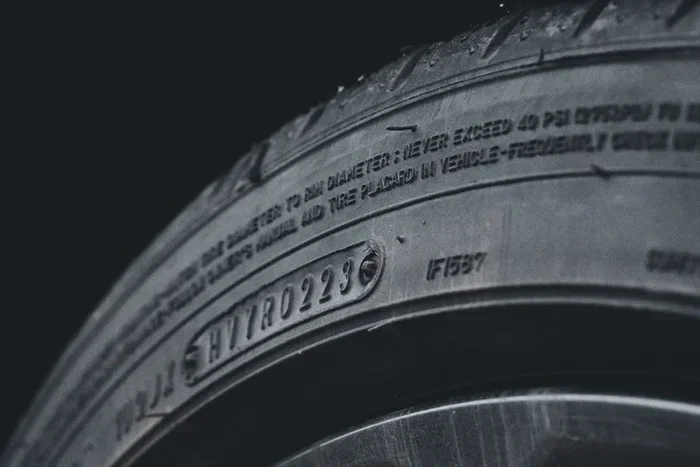
How Do I Know the Age of the Tires on My Car Today
Knowing the age of your car’s tires is one of the most important yet overlooked steps in vehicle safety and maintenance. Every tire manufactured since 2000 carries a Department of Transportation (DOT) code on its sidewall that reveals the exact week and year it was produced. By learning how to read this tire date code, you can easily determine the tire age and avoid the hidden dangers of old rubber, including reduced grip, dry rot, and an increased risk of blowouts. This simple check takes just seconds but can protect your life on the road.
Keeping your car safe starts with the tires under your wheels. Many drivers never stop to ask a simple but important question: how do I know the age of the tires on my car. The truth is, your tires might be older than you think, and their age has a direct impact on your safety every time you drive.
Tire age matters more than most people realize. Old rubber loses its grip, develops cracks over time, and becomes a serious risk even when the tread still looks fine. In this guide, we will walk you through every step of finding out exactly how old your tires are. You will learn where to look, what the codes mean, and when it is time to replace them for better tire safety.
Whether you just bought a used car or want to stay on top of regular maintenance, understanding tire age is essential. We will break everything down in simple terms so anyone can follow along. Let us get started and take the mystery out of your tire sidewall.
Key Takeaways
- Check the DOT code: The last four digits reveal your tire’s manufacturing week and year.
- Replace tires after six years: Even with good tread, aging rubber compromises safety and performance.
- Look for sidewall cracks: Visible dry rot signals that your tires are dangerously old.
- Store spare tires properly: Cool, dark conditions slow degradation and extend tire lifespan significantly.
- Never ignore age warnings: Tire degradation happens even when tread depth looks perfectly fine.
- Know the DOT number location: It’s on the sidewall, often near the rim edge.
📑 Table of Contents
- How Do I Know the Age of the Tires on My Car: The DOT Code Explained
- How to Find the DOT Number on Your Tires
- Understanding the Tire Age Code Format
- How Old Is Too Old for Car Tires
- Signs Your Tires Are Aging Beyond Their Prime
- Practical Tips for Keeping Track of Tire Age
- Common Mistakes People Make With Tire Age
How Do I Know the Age of the Tires on My Car: The DOT Code Explained
Every tire sold in the United States carries a special identification code called the DOT number. This code holds the tire manufacturing date and other important details about where and when the tire was made. When you learn how to read it, you gain valuable insight into your tire age and overall tire health.
Where the Date Code Lives on the Tire
The DOT code is printed on the tire sidewall, usually on the inner side of the wheel. You might need to walk around to the back of the car to see it clearly. Look for a raised oval that starts with the letters DOT followed by a string of numbers and letters. This tire sidewall marking is your key to unlocking the tire’s history.
The last four digits of this code are the most important part. They tell you the week and year the tire was manufactured. For example, if you see the number 2519, that means the tire was made in the 25th week of 2019. This is the simplest way to figure out how do I know the age of the tires on my car without any special tools or expensive equipment.
Why Rubber Degradation Makes Tire Age a Safety Issue
Rubber is a living material, even after it leaves the factory. Over time, it dries out and loses flexibility. The oils inside the rubber evaporate, causing the tire to harden. This process is called rubber degradation, and it happens whether you drive the car daily or let it sit in the garage.
Old tires are more likely to fail at high speeds or in hot weather. A tire that looks perfectly fine on the outside might have serious internal weakness. That is why checking the tire manufacturing date should be part of every driver’s routine tire inspection. Ignoring this simple step can put you and your passengers at real risk.
How to Find the DOT Number on Your Tires
Finding the DOT code is the first real step in determining your tire age. Here is exactly where to look and what to expect, step by step.
Step-by-Step: Locating the DOT Marking
Start by standing beside your car and looking at the tire sidewall. You will see a long string of letters and numbers near the rim. Find the part that begins with DOT. The full code might be 10 to 12 characters long. Here is a quick tip: the last four digits always represent the date. The first two numbers stand for the week of the year, and the last two stand for the year.
If your tire shows a DOT code ending in 3421, it was made in the 34th week of 2021. This system is straightforward once you know what to look for. Many drivers miss this code simply because they do not know where to find it.
What If the Code Is Hard to Read
Sometimes the DOT code fades or gets covered by dirt and road grime. Use a damp cloth to clean the area gently before inspecting it. If the tire is on the inner side of the wheel, you may need to turn the steering wheel all the way to one side to see it better.
Some older tires only have the date code printed on one side. Check both sides of the tire if you cannot find it right away. The tire sidewall marking is usually clear once you know what to look for. Use your phone flashlight to help illuminate the area if needed.
Understanding the Tire Age Code Format
The date code system is simple once you break it down. Let us walk through a few examples so you feel confident reading any tire you encounter.
Decoding the Last Four Digits
The last four digits of the DOT number are your go-to guide. Here is how the format works:
- The first two digits represent the week of manufacture, ranging from 01 to 52.
- The last two digits represent the year, such as 19 for 2019 or 23 for 2023.
So a code ending in 0822 means the tire was made in the 8th week of 2022. A code ending in 5217 means it was made in the last week of 2017. This format has been used since the year 2000, so any tire made after 2000 will follow this pattern.
What the Other Numbers in the DOT Code Mean
The digits before the date code are factory and plant identification numbers. They tell the manufacturer where the tire was built. While these numbers are interesting, they do not help you determine tire age. Focus only on the last four digits for your tire inspection and tire replacement planning.
If you see only three digits at the end, your tire was made before the year 2000. These older tires are rare today, but if you find one, the last two digits represent the year and the single digit before that represents the week. These vintage tires should be replaced immediately, as they are well past their safe lifespan for tire safety.
How Old Is Too Old for Car Tires
Now that you know how to read the date code, the next question is: how old is too old? Most experts agree on a clear timeline for tire replacement based on tire age alone.
The Six-Year Replacement Rule
The general recommendation from tire manufacturers is to replace tires every six years, regardless of how much tread is left. Even if your tires look brand new, the rubber inside weakens over time. After six years, the risk of sudden failure increases significantly, especially in extreme heat or at highway speeds.
This rule applies to spare tires too. Many people forget about the spare in the trunk, and it ages just like the other four tires. Make checking the spare tire part of your regular tire replacement schedule. A flat spare tire does you no good if it has been sitting for nine years.
The Ten-Year Absolute Limit
No tire should be used beyond ten years from the tire manufacturing date. At this point, the rubber has broken down to a dangerous level. Even tires that have never been driven on can fail after a decade of sitting in a garage or on a store shelf.
If you are shopping for used tires or buying a vehicle with old tires already on it, check the date code first. A tire that is eight or nine years old might still have deep tread, but it is not worth the risk. Always prioritize tire safety over saving a few dollars in the short term.
| Tire Age | Condition | Recommended Action |
|---|---|---|
| 0 to 2 years | Like new, full grip and flexibility | Safe to use, monitor tread wear |
| 3 to 5 years | Good condition, some early aging | Safe, check pressure regularly |
| 6 years | Rubber begins to harden internally | Plan for replacement soon |
| 7 to 9 years | Increased risk of sudden failure | Replace even with good tread depth |
| 10+ years | Dangerous, rubber severely degraded | Replace immediately, do not use |
Signs Your Tires Are Aging Beyond Their Prime
The date code tells you the official tire age, but your tires also give you visual clues every time you look at them. Learning to spot these signs can help you catch aging tires before they become a safety hazard.
Cracks and Dry Rot on the Sidewall
One of the most visible signs of aging is tiny cracks on the tire sidewall. These cracks, sometimes called dry rot, happen when the rubber loses moisture over time. They may look like fine spiderweb lines or deeper grooves running along the surface.
Do not ignore these cracks. They are a clear sign that the rubber is breaking down from the inside out. Even if the tire is less than six years old, deep sidewall cracks mean it is time for a tire replacement. No amount of repair can fix compromised rubber structure.
Tread Wear and Loss of Flexibility
While tread depth is often used to measure tire life, it does not tell the whole story. A tire can have plenty of tread but still be unsafe due to age. The rubber loses its flexibility over time, which reduces your grip on wet roads and in emergency braking situations.
Use the penny test to check tread depth. Insert a penny into the tread groove with Lincoln’s head pointing down. If you can see the top of his head, your tread is too low. But even if the tread is fine, check the tire age before you assume the tire is safe to drive on.
Unusual Vibrations or Handling Changes
Have you noticed your car pulling to one side or vibrating at higher speeds? These could be signs of tire aging. Old tires may develop flat spots or internal belts that separate from the rubber body.
If you feel any changes in how your car handles, get the tires inspected right away. Tire safety is not just about tread depth. It is about the overall condition of the rubber, the structural integrity of the tire, and how well it performs in real driving conditions. When in doubt, have a professional check your tire health.
Practical Tips for Keeping Track of Tire Age
Knowing how old your tires are is only half the battle. The other half is staying on top of it so you never get caught off guard by aging rubber.
Write Down the Date When You Buy New Tires
When you get new tires installed, write down the date code in your phone or a car notebook. This simple habit makes future checks effortless. You will always know exactly when your tires were manufactured and when they are due for tire replacement. You can also take a photo of the DOT code with your phone for a quick reference you can check anytime without getting on your hands and knees to read the tire sidewall.
Set a Calendar Reminder for Regular Checks
Mark your calendar for a tire check every six months. Set a reminder on your phone for the month when your tires will hit the five-year mark. This gives you plenty of time to plan for new tires before any risk develops. Many tire shops will also track your tire age if you buy from the same place. Ask them to note the date on your receipt or account.
Store Tires Properly When Not in Use
If you have seasonal tires or a spare that sits in the garage, proper storage matters a great deal. Keep tires in a cool, dark place away from direct sunlight. UV damage from sunlight accelerates rubber aging, even when the tires are not on the car. Store tires upright and away from heat sources like water heaters or furnaces. Proper tire storage can slow down the aging process and keep your spare tires ready when you need them most.
Common Mistakes People Make With Tire Age
Even careful drivers sometimes make mistakes when it comes to checking tire age. Here are a few common ones to avoid so you stay safe on the road.
Assuming Tread Depth Equals Tire Health
This is the biggest mistake drivers make. Deep tread does not mean a young tire. A tire with great tread can still be ten years old and dangerously unsafe. Always check the date code first, and let tread depth be your secondary measure of tire health.
Ignoring the Spare Tire Completely
Your spare tire sits in the trunk and rarely gets used. But it ages just like your other four tires. In an emergency, you want that spare to be ready and reliable. Check its DOT code at least once a year and replace it if it is past six years old. A tired spare defeats the whole purpose of having one.
Buying Used Tires Without Checking the Date
Used tires can save you money, but only if they are not too old. Always ask for the tire manufacturing date before buying used tires. A cheap old tire is a false economy. It may need to be replaced sooner than a new tire, costing you more in the long run and putting your tire safety at risk every time you drive.
Understanding how do I know the age of the tires on my car is one of the simplest yet most important things you can do as a driver. It takes just a few minutes to find the DOT code and decode the date. That small effort can make a huge difference in your safety on the road every single day.
Make it a habit to check your tire age at least twice a year. Pair it with your regular tire pressure check or oil change so it becomes second nature. Your tires are the only part of your car that touches the road, and their condition directly affects every trip you take. Stay proactive, stay informed, and never underestimate the importance of fresh rubber on your wheels. Take a few minutes right now to look at your tire sidewall and decode that date. Your future self will thank you for it.
Frequently Asked Questions
How Do I Know the Age of the Tires on My Car?
You can find the age of your tires by looking at the DOT code on the sidewall. The last four digits of this code tell you the week and year the tire was manufactured. For example, a code ending in 2521 means the tire was made in the 25th week of 2021.
What Does the DOT Code on My Tire Mean?
The DOT code is a series of letters and numbers that tells you where and when the tire was made. The last four digits represent the production date, with the first two showing the week and the last two showing the year. This simple code is the easiest way to check tire age at any time.
Where Can I Find the Tire Date Code?
The tire date code is located on the sidewall of each tire, usually near the rim edge. Look for the letters “DOT” followed by a series of numbers and characters. The final four digits of that sequence are the manufacturing date you need to know.
How Old Is Too Old for Car Tires?
Most tire experts recommend replacing tires that are six years old or more, regardless of tread depth. Even if the tires look fine, rubber degrades over time due to exposure to heat, sunlight, and ozone. Checking the DOT code regularly helps you stay ahead of safety risks.
Can Old Tires Be Dangerous Even If They Have Good Tread?
Yes, old tires can be dangerous because the rubber hardens and cracks over time, which can lead to blowouts. Tread depth does not always indicate the overall health of a tire. This is why knowing how to check tire age matters just as much as checking tread wear.
Should I Replace Tires Based on Age Even If They Look Fine?
Yes, it is a smart safety practice to replace tires after six years and definitely after ten years, no matter how they look. The rubber compounds break down over time, reducing grip and increasing the chance of failure. Regularly checking your tire date code ensures your car stays safe on the road.