what does it mean if you dont have any oil in your car
What does it mean if you dont have any oil in your car? It means your engine is running without the lubrication it needs to function, which can cause severe engine damage within minutes. Without oil, metal parts grind against each other, leading to overheating, engine seizure, and potentially a total engine failure. This guide covers the warning signs, causes, and steps you can take right now to protect your vehicle.
Have you ever wondered what does it mean if you dont have any oil in your car? The answer is simple but serious — running a car with no oil can destroy your engine in just a few minutes. Engine oil is the lifeblood that keeps all the moving parts working smoothly without grinding against each other. When that oil disappears, metal meets metal, and the damage starts almost immediately. In this guide, we will walk you through exactly what happens, what warning signs to watch for, and how to protect your vehicle from costly repairs.
Many drivers ignore their oil until something goes wrong. They might notice a strange noise or see a warning light on the dashboard and then panic. The truth is, understanding your car’s oil level is one of the simplest ways to avoid major engine problems. Taking a few minutes to learn about oil can save you hundreds or even thousands of dollars in repairs. Let us dive into everything you need to know about running a car with no oil.
Key Takeaways
- No oil means engine failure: Running a car without oil destroys internal engine parts within minutes due to metal-on-metal friction.
- Warning signs are easy to spot: Dashboard lights, strange noises, and smoke are clear indicators that your oil level is critically low.
- Oil leaks and burning oil are the main culprits: Understanding the root cause helps you prevent future oil loss.
- Regular oil changes save money: Staying on top of car maintenance avoids costly repairs and keeps your engine running smoothly.
- Never drive with no oil: If you suspect low or no oil, stop driving immediately and check the level or call for roadside assistance.
- Synthetic oil offers better protection: Choosing the right motor oil for your vehicle improves engine longevity and performance.
📑 Table of Contents
What Happens When Your Car Has No Oil
Your engine contains hundreds of moving parts that spin, slide, and rotate at high speeds. These parts include the crankshaft, camshaft, pistons, and valve train. All of these components need a thin layer of oil between them to reduce friction and prevent wear. Without that layer, the parts literally touch each other, creating extreme heat and metal shavings.
The Role of Oil in Engine Lubrication
Engine oil does more than just lubricate. It also cleans internal components, carries away debris, and helps regulate engine temperature. When the oil level drops to zero, all of these functions stop at once. The oil pump cannot circulate what is not there, so the entire engine suffers immediately.
Think of it like running a fan with no blades. The motor spins, but nothing happens except damage. In a car engine, the damage shows up as scored cylinder walls, worn bearings, and seized pistons. These repairs often cost more than the vehicle itself is worth.
How Fast Can Engine Damage Occur?
Here is a sobering fact — some engines can suffer irreversible damage in as little as five minutes without oil. The exact timeline depends on several factors:
- Engine type: High-performance engines with tighter tolerances fail faster.
- Driving conditions: Hot weather and heavy loads accelerate damage.
- RPM levels: Higher engine speeds create more friction and heat.
- Existing wear: Older engines with pre-existing issues break down even quicker.
The bottom line is clear. If your oil pressure drops to zero or your oil light comes on, you need to pull over safely right away. Every second you keep driving makes the damage worse.
Warning Signs Your Engine Is Running Low on Oil
Detecting low oil early can save your engine from catastrophic failure. Most modern vehicles give you several warning signals before the oil completely runs out. Learning to recognize these signs is a key part of vehicle maintenance and responsible car ownership.
Dashboard Warning Lights
The most obvious sign is the oil pressure warning light on your dashboard. This light usually looks like an old oil can or says “OIL.” When it illuminates, it means your oil pressure has dropped below a safe level. Do not ignore this light. Do not keep driving to the next exit. Stop as soon as it is safe to do so.
Some newer cars also have a low oil level indicator that specifically tells you the oil volume is low, not just that the pressure is dropping. Check your owner’s manual to understand which warning system your vehicle uses.
Unusual Engine Noises
A healthy engine runs quietly. When oil levels drop, you may hear tapping, ticking, or knocking sounds coming from the engine bay. These noises happen because the metal parts are no longer cushioned by oil. The ticking you hear is metal hitting metal inside the engine.
If the noise gets louder or changes to a deep knocking sound, the situation is urgent. Continued driving at this point will likely result in a blown engine or complete engine seizure.
Smoke from the Exhaust
Blue or gray smoke coming from your exhaust pipe can indicate that oil is burning inside the combustion chamber. This happens when oil leaks past worn seals or when the oil level is so low that the engine starts pulling oil residue into the burn process.
If you see this type of smoke, pull over and turn off the engine. Continuing to drive with blue smoke can lead to catalytic converter damage and other expensive repairs.
Common Causes of Oil Loss in Your Vehicle
Understanding why oil disappears helps you prevent the problem from happening again. Oil loss usually happens for one of a few common reasons. Let us look at each one so you can identify the issue in your own vehicle.
Oil Leaks
The most common reason for oil loss is a leak somewhere in the system. Oil can escape from:
- Worn oil pan gasket: This seal deteriorates over time and allows oil to drip out.
- Loose or damaged oil filter: An improperly installed or old filter can let oil seep out.
- Valve cover gasket leaks: These are common in older vehicles with high mileage.
- Cracked oil pan: Road debris or impact can damage the oil pan and cause a slow or sudden leak.
If you notice oil spots under your parked car or a slick residue on your garage floor, get your vehicle inspected right away. Even a small leak can drain your oil completely over time.
Burning Oil
Some engines burn oil as part of normal operation, especially in older vehicles or those with high mileage. Worn piston rings, damaged valve seals, or degraded oil seals can all cause oil to burn during combustion. If you find yourself constantly topping off the oil between changes, burning oil is likely the cause.
Burning oil is not just a low-oil problem. It also creates harmful emissions and can damage your catalytic converter. Have a mechanic diagnose the root cause as soon as possible.
Neglecting Oil Changes
Skipping regular oil changes is one of the biggest mistakes drivers make. Over time, oil breaks down and loses its lubricating properties. Old oil becomes sludgy and less effective at protecting your engine. Following the manufacturer’s recommended oil change interval is one of the easiest ways to keep your engine healthy.
Incorrect Oil Type or Viscosity
Using the wrong type of oil can also lead to problems. Oil viscosity refers to how thick or thin the oil is at different temperatures. If you use oil that is too thin for your engine, it may not maintain proper pressure. If it is too thick, it may not flow properly in cold weather. Always check your owner’s manual for the recommended oil type.
How to Check Your Oil Level Properly
Checking your oil is one of the simplest DIY car maintenance tasks you can do. It takes about two minutes and can save you from a major headache. Here is how to do it the right way.
Step-by-Step Oil Check Process
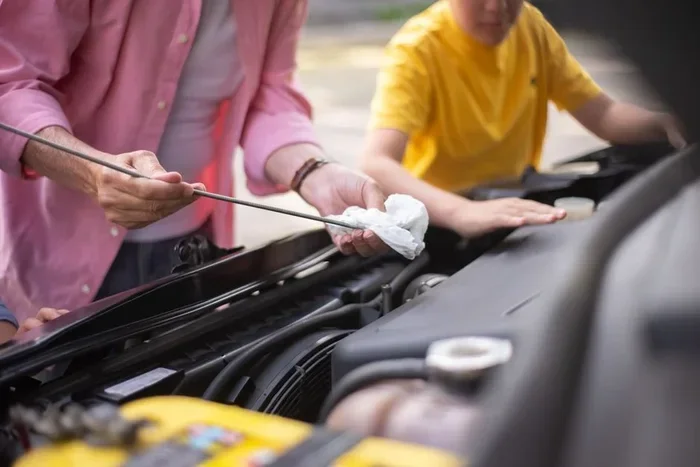
- Park on a level surface: This ensures an accurate reading. Do not check oil right after driving — wait at least five to ten minutes for the oil to settle back into the pan.
- Locate the dipstick: It usually has a brightly colored handle and is located near the front of the engine bay. Consult your owner’s manual if you are unsure.
- Pull the dipstick out: Wipe it clean with a rag or paper towel, then reinsert it fully.
- Pull it out again and read the marks: The dipstick will have two lines or holes indicating the minimum and maximum oil levels. Your oil should fall between these marks.
- Check the oil color: Healthy oil is amber or golden brown. Black, gritty oil needs to be changed soon. Milky or foamy oil could indicate a coolant leak, which is a serious problem.
How Often Should You Check Your Oil?
Make it a habit to check your oil at least once a month. If your vehicle is older or has high mileage, check it every two weeks. Regular checking helps you catch leaks or burning oil early before it becomes a major issue.
Can You Still Drive With No Oil?
The short answer is no. You should never drive a car that has zero oil. Even if the engine has not seized yet, continuing to drive will cause damage that may be impossible to repair without a full engine rebuild or replacement.
If your oil light comes on while driving, here is what you should do immediately:
- Turn off the air conditioning: This reduces the load on your engine slightly.
- Pull over safely: Find a parking lot, gas station, or side street and stop.
- Turn off the engine: Do not keep idling. Every second without oil causes more damage.
- Call for help: Either call a tow truck or roadside assistance, or check if someone nearby can lend you a small amount of oil.
If you have a quart of oil in your trunk and the engine has not been running long without oil, you may be able to add oil and drive slowly to the nearest mechanic. But this is a temporary fix only. The underlying cause of the oil loss must be addressed.
How to Fix and Prevent Oil-Related Engine Damage
Prevention is always better than repair when it comes to engine oil and motor oil maintenance. Here are the best steps you can take to protect your engine and avoid the nightmare of running out of oil.
Follow a Regular Oil Change Schedule
Stick to the oil change intervals recommended by your vehicle manufacturer. Most modern cars need an oil change every 5,000 to 7,500 miles with conventional oil, or every 10,000 to 15,000 miles with synthetic oil. Check your owner’s manual for the exact recommendation for your specific make and model.
Use the Right Oil for Your Vehicle
Not all oils are the same. Synthetic oil offers superior protection and lasts longer than conventional oil, but it costs more. High-mileage oil is formulated for vehicles with over 75,000 miles and contains additives that help seal worn gaps. Choosing the right oil viscosity grade ensures your engine gets the protection it needs in all weather conditions.
Address Leaks Immediately
If you notice any signs of an oil leak — puddles under your car, a burning oil smell, or oil streaks on your driveway — do not wait. Take your car to a trusted mechanic and have them inspect the problem. Small leaks today can become big problems tomorrow.
Keep an Eye on Your Oil Level Between Changes
Even with regular oil changes, your oil level can drop between services. This is normal to a small degree, but a significant drop indicates a problem. Keep a quart of the correct oil in your trunk, especially on long road trips, so you can top off if needed.
Listen to Your Mechanic
When your mechanic tells you it is time for an oil change or that you have a leak, listen to them. Skipping recommended services to save a little money now can lead to thousands of dollars in engine repairs later. Car maintenance is an investment, not an expense.
Consider an Oil Pressure Gauge
If you drive an older vehicle or one with known oil issues, installing an aftermarket oil pressure gauge can give you real-time data about your engine’s health. This tool lets you monitor oil pressure while driving so you can catch problems before they become serious.
Key Takeaways for Oil Health
Protecting your engine starts with simple habits. Check your oil regularly, change it on schedule, use the right type, and never ignore warning signs. Your engine is the most expensive part of your car, and oil is the cheapest insurance you can buy for it.
Running a car with no oil is one of the fastest ways to destroy an engine. The damage happens fast, the repairs are expensive, and the consequences are entirely preventable. By staying proactive with your oil maintenance, you keep your vehicle running smoothly and avoid the nightmare of a seized or blown engine. Take five minutes today to check your oil level — it could save you thousands of dollars tomorrow.
Frequently Asked Questions
How long can a car engine run without oil before it gets damaged?
Most engines can suffer irreversible damage within 5 to 10 minutes of running with no oil. The exact timeline depends on your engine type, RPM, and driving conditions. Some high-performance engines fail even faster. Never drive a car that has zero oil.
What are the signs that my car is low on oil?
The most common signs include the oil pressure warning light on your dashboard, unusual ticking or knocking noises from the engine, blue or gray exhaust smoke, and a burning oil smell. If you notice any of these, check your oil level immediately and stop driving if it is low.
Can I just add oil instead of getting an oil change?
Adding oil is a temporary fix if your level is low, but it does not replace the need for a full oil change. Old oil breaks down and collects debris over time. Fresh oil with a new filter provides the best protection for your engine. Always check your oil level after adding oil.
What happens if I drive with the oil light on?
Driving with the oil light on means your engine is running with little or no oil pressure. This causes metal parts to grind against each other, creating extreme heat and friction. Continuing to drive can result in a seized engine, cracked engine block, or total engine failure that requires a full replacement.
How often should I check my oil level?
You should check your oil level at least once a month. If your vehicle is older or has high mileage, checking every two weeks is a good practice. Always check oil on a level surface with the engine cool for the most accurate reading.
Is synthetic oil better than conventional oil for preventing engine damage?
Synthetic oil generally offers better protection because it maintains its viscosity longer and resists breakdown at high temperatures. It also lasts longer between changes, which makes it easier to stay on top of your oil maintenance schedule. However, always use the oil type recommended by your vehicle manufacturer.
=== CONCLUSION ===
What does it mean if you dont have any oil in your car? It means your engine is running without the essential lubrication it needs to survive. The consequences are fast, severe, and expensive. From engine damage and overheating to complete engine seizure, running without oil is one of the quickest ways to destroy a vehicle.
The good news is that preventing this problem is straightforward. Check your oil regularly, follow your manufacturer’s oil change schedule, use the right type of oil, and never ignore warning signs like dashboard lights or unusual engine noises. Simple habits like these keep your engine healthy and your wallet happy.
Take a moment today to check your oil level. It is one of the easiest and most important things you can do for your car. Your engine will thank you for it.