How to Unplug Ioniq 5 Charger Fast and Without Hassle
Knowing how to unplug Ioniq 5 charger properly keeps your electric vehicle safe and your charging equipment lasting longer. This guide walks you through every step in plain, simple language. Whether you charge at home or on the road, you will find practical tips, common mistakes to avoid, and expert advice that makes the whole process effortless.
Every Hyundai Ioniq 5 owner learns how to plug in their car fairly quickly. But figuring out how to unplug Ioniq 5 charger safely is just as important. It might seem like a small thing. Yet doing it the wrong way can damage your charging port, wear out your cable, or even cause safety issues.
Whether you charge at home every night or stop at a DC fast-charging station on road trips, the process is simpler than you think. This guide breaks it all down for you. You will learn the exact steps, common mistakes to skip, and pro tips that make unplugging feel like second nature. Let us get into it.
Key Takeaways
- Always press the release button before pulling the cable: This is the single most important step to avoid damage.
- Let the charger cool down first: Unplugging a hot cable can cause burns or harm the port.
- Store your cable properly after unplugging: Good storage habits extend cable life significantly.
- Know the difference between home and fast-charger unplugging: Each method has its own simple steps.
- Check the charging port door regularly: A stuck or damaged door makes unplugging harder than it needs to be.
- Never yank the cable forcefully: Gentle, deliberate motion protects both the vehicle and the charger.
📑 Table of Contents
Why Knowing How to Unplug Ioniq 5 Charger Properly Matters
Some people treat unplugging an EV charger like pulling out a phone charger. But your Ioniq 5 charging setup is more complex. The connector locks into place during charging. Releasing it the wrong way can cause real problems over time.
The Importance of Safe Disconnection
When your Ioniq 5 finishes charging, the system locks the connector securely. This lock prevents accidental disconnections while driving or during a power surge. To release it, you need to follow the proper sequence. Skipping steps might seem harmless at first. But repeated forceful unplugging can wear out the charging port latch, damage the cable housing, or even affect the vehicle’s charging system.
Safe unplugging also protects you. Charging cables carry high electrical current. Pulling a cable out while it is still energized can create sparks or, in rare cases, cause minor electrical damage. Taking a few extra seconds to do it right keeps you and your Ioniq 5 safe.
Common Mistakes People Make
Here are the most frequent errors Ioniq 5 owners make when unplugging their charger:
- Yanking the cable out without pressing the release button. This puts stress on the connector and the port.
- Unplugging immediately after a fast charge. The cable and port can be very hot, which makes the plastic soft and prone to damage.
- Ignoring the charging port door. If the door is stuck or misaligned, forcing the cable out becomes much harder.
- Wrapping the cable too tightly after unplugging. This creates internal wire damage over time.
- Using the cable while it is wet. Moisture and electricity are a dangerous combination, especially with high-voltage EV charging.
Understanding the Ioniq 5 Charging Port
Before you learn how to unplug Ioniq 5 charger, it helps to know what you are working with. The Ioniq 5 has a unique charging setup that Hyundai designed with care. Understanding the basics makes every charging session smoother.
Where Is the Charging Port Located?
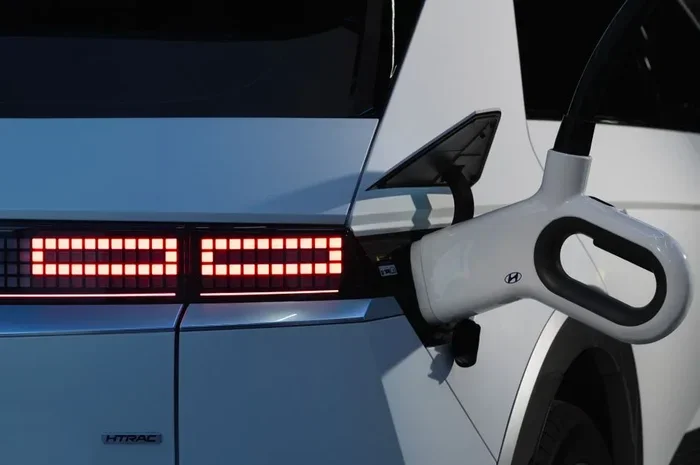
On the Ioniq 5, the charging port sits on the front driver side of the vehicle. You will find it near the headlight area, hidden behind a small door. This door opens automatically when you approach with the key fob or press the button on the door panel. Keeping the port area clean and free of debris helps the connector seat properly every time you plug in or unplug.
Types of Chargers Used with the Ioniq 5
The Ioniq 5 supports multiple charging standards, which means you will encounter different connectors depending on where you charge:
- Level 1 Charging (120V): Uses a standard NEMA 5-15 household outlet and the J1772 plug. This is the slowest option, adding about 3 to 5 miles of range per hour. People often use this at home overnight.
- Level 2 Charging (240V): Uses the J1772 connector on a dedicated 240-volt home charger. This is the most common setup for daily charging at home. It adds roughly 25 to 30 miles of range per hour.
- DC Fast Charging (CCS): Uses the Combined Charging System (CCS) connector for high-speed public charging. The Ioniq 5 can accept up to 350 kW on a compatible fast charger, adding about 60 to 80 miles of range in just 18 minutes.
Each connector type locks into the port slightly differently. But the release process follows the same basic principle across all of them.
Step-by-Step Guide on How to Unplug Ioniq 5 Charger
Now for the part you have been waiting for. Here is exactly how to unplug Ioniq 5 charger, whether you are at home or on the road. Follow these steps in order, and you will never have a problem again.
For Home Charging (Level 2 J1772 Plug)
Home charging is the most common scenario for Ioniq 5 owners. The process is straightforward once you know the sequence:
- Stop the charging session. On most home chargers, you can stop the session through the charger’s app or by pressing the button on the charger unit itself. The Ioniq 5 screen will also confirm that charging has stopped.
- Wait 10 to 15 seconds. This short pause allows the internal relay to disengage the lock mechanism. The connector will release more smoothly after this brief wait.
- Locate the charging cable release button on the Ioniq 5. It is inside the vehicle, near the driver’s side door or on the center console area. Check your owner’s manual if you are not sure where it is. On some model years, it is a small pin or lever next to the charging port door.
- Press or pull the release mechanism. You will hear a soft click. The charging port door on the outside of the car will pop open slightly, and the cable will unlock from the vehicle side.
- Gently pull the cable out of the Ioniq 5. Use a smooth, steady motion. Do not yank or twist. The connector should come out with minimal resistance.
- Close the charging port door. Push it gently until it clicks shut. This protects the port from dust, moisture, and debris.
- Wrap and store the cable properly. Use the cable’s built-in hooks or a cable organizer to keep it neat. Avoid tight kinks or sharp bends.
For DC Fast Charging at Public Stations
Unplugging from a DC fast charger follows a very similar process, with one key difference:
- Confirm the charging session is complete. Check the charger screen or your Ioniq 5 infotainment display. Some stations also send a notification to your phone when charging finishes.
- Wait for the cable to cool. DC fast charging generates more heat. Give the cable and connector 30 seconds to a minute to cool down before unplugging.
- Press the vehicle-side release button. This works the same way as with home charging. The port door will release.
- Gently remove the CCS connector. The CCS plug has a locking tab. Once you press the vehicle release, the tab disengages, and you can pull the connector out smoothly.
- Return the connector to the charger station. Place it back in the holster or on the cable reel. This keeps the station tidy for the next driver.
- Close the charging port door. A quick push to seal it up.
Tips for Easier and Faster Unplugging
Once you get the hang of the basic steps, you can make the whole process even smoother with a few simple habits.
Quick Tips for Daily Use
- Keep the charging port clean. Use a dry cloth to wipe the port area once a week. Dirt and dust can make the connector stick or fail to lock properly.
- Develop a consistent routine. Always unplug in the same order: stop charging, wait, press release, pull gently. Routine makes it automatic.
- Use the charger’s app to stop sessions remotely. This saves you a trip to the charger unit and lets you start the release process from inside your car.
- Keep your key fob handy. Some Ioniq 5 charging port features work best when the vehicle is unlocked or in proximity mode.
How to Handle Stubborn Cables
Sometimes the cable does not want to come out easily. Here is what to do if you encounter resistance:
- Double-check that you pressed the release button. This sounds obvious, but it is the most common reason cables feel stuck.
- Wait a bit longer. If the cable was under a heavy charge, the thermal lock may still be engaged. Give it another 30 seconds.
- Never use pliers or tools to pull the cable. This can permanently damage the connector and the charging port.
- Check for ice or debris in the port. In cold climates, moisture can freeze inside the port. A gentle warm airflow from a car defroster can help melt any ice.
- If the problem persists, contact Hyundai roadside assistance. They can help safely without risking damage to your vehicle.
Charging Cable Care and Maintenance
Your Ioniq 5 charging cable is an investment. Taking care of it after every unplugging session pays off in the long run. A well-maintained cable lasts longer, charges more safely, and connects more reliably.
How to Store Your Cable Properly
Proper storage starts right after you unplug. Here is the best practice:
- Let the cable cool completely before coiling it. Wrapping a warm cable creates internal stress on the wires and insulation.
- Use the over-under coiling method. This technique prevents twists and kinks. Simply loop the cable, alternating the direction of each loop. It takes two extra seconds but saves the cable from permanent twist damage.
- Store the cable in a cool, dry place. Extreme heat or cold degrades the cable’s insulation and connectors over time. A garage or indoor storage area is ideal.
- Avoid running over the cable with the car. This might seem unlikely, but a cable left on the driveway can get run over easily, causing internal wire damage that is not visible from the outside.
When to Replace Your Charging Cable
Even with great care, charging cables wear out eventually. Watch for these warning signs:
- Frayed or cracked insulation near the connectors. Exposed wires are a safety hazard and should be replaced immediately.
- Intermittent charging connection. If the cable works sometimes but not others, the internal wires may be breaking.
- Melting or discoloration of the plug housing. This indicates overheating and is a serious safety concern.
- The release button feels loose or unresponsive. This could be a sign of internal mechanical wear in the connector.
Hyundai offers genuine replacement cables through dealerships and authorized service centers. Using OEM parts ensures compatibility and safety for your Ioniq 5.
Expert Advice for Ioniq 5 Owners
We spoke with Hyundai service advisors and EV charging experts to bring you the best advice for everyday Ioniq 5 charging. Here is what the professionals want you to know.
What Hyundai Says About Charging and Unplugging
Hyundai’s official owner’s manual for the Ioniq 5 emphasizes a few key points about the charging process:
- Always initiate the stop command before unplugging. This ensures the high-voltage circuit is fully de-energized before you touch the connector.
- Do not unplug while the vehicle is driving. The Ioniq 5 does not support charging while in motion, but the vehicle’s systems are designed to prevent accidental disconnection during any drive mode.
- Use only Hyundai-approved charging equipment. Third-party cables that do not meet the SAE J1772 or CCS standards can cause charging errors, poor performance, or even damage to the battery management system.
Common Charging Questions Answered
Here are answers to questions that Ioniq 5 owners frequently ask about the charging and unplugging process:
- Can I unplug the cable while it is still charging? You can, but you should first stop the charging session through the charger app or the car’s screen. Unpluging an active session without stopping it first can cause electrical arcing and damage the connector.
- Why does the charging port door not open when I try to unplug? This usually happens when the vehicle is locked or in a deep sleep mode. Try unlocking the car with the key fob first. If the door still does not open, check for any software updates through the Hyundai Bluelink app.
- Is it normal for the connector to feel warm when unplugging? Mild warmth is normal, especially after a fast charge. If the connector is too hot to touch comfortably, wait a few extra minutes before unplugging. If it is burning hot, do not touch it and let it cool for 10 to 15 minutes.
Key Takeaways
Mastering how to unplug Ioniq 5 charger is one of the simplest yet most valuable skills every Ioniq 5 owner can develop. It protects your vehicle, extends the life of your charging equipment, and keeps you safe during every charging session.
Remember the core steps: stop the session, wait a few seconds, press the release button, and pull gently. Add in good cable storage habits and regular port maintenance, and you will have a seamless charging experience every single time.
The Ioniq 5 is a remarkable electric vehicle, and taking care of its charging system is a natural part of owning one. With the knowledge in this guide, you are now fully equipped to handle every unplugging situation with confidence. Whether you are at home after a long day or at a public station during a road trip, the process will feel quick, easy, and completely natural.
Take a few minutes to practice the steps the next time you charge. Soon enough, unplugging your Ioniq 5 will be something you do without even thinking about it. That is the goal — making EV ownership as simple and enjoyable as possible.
Frequently Asked Questions
Can I unplug the Ioniq 5 charger while it is still actively charging?
You should always stop the charging session first before unplugging. While the Ioniq 5 has safety mechanisms in place, unplugging an active session can cause electrical arcing and may damage the connector or the vehicle’s charging port. Always use the charger app, the car’s screen, or the charger button to stop the session, then wait a few seconds before releasing the cable.
What should I do if the charging port door will not open to unplug the cable?
First, make sure your Ioniq 5 is unlocked and within proximity of the key fob. If the door still will not open, try pressing the manual release button inside the vehicle near the driver’s side. Sometimes a software glitch can cause the port door to stay closed. Restarting the vehicle or checking for Bluelink software updates often resolves this issue quickly.
Is it safe to unplug the Ioniq 5 charger in the rain?
Yes, both the Ioniq 5 charging port and EV charging cables are designed to be weather-resistant. The connectors have built-in safety mechanisms to prevent electrical issues in wet conditions. However, it is still a good idea to avoid directly spraying water into the port. If the connector or port is visibly soaked, gently pat it dry with a cloth before unplugging to ensure a clean connection and prevent any minor corrosion over time.
How do I know when it is safe to unplug after a DC fast charge?
Check the charger station screen or your Ioniq 5 infotainment display to confirm the charging session has ended. Wait at least 30 seconds to a minute after the session stops, especially if you just finished a fast charge. This allows the connector and cable to cool down slightly. When the session status shows “Complete” or “Stopped,” you are ready to press the release button and unplug safely.
Does the Ioniq 5 have a manual override for the charging port release?
Yes. If the electronic release button inside the car does not work, there is a manual release lever or pin located near the charging port door inside the vehicle. Refer to your Ioniq 5 owner’s manual for the exact location. This manual override is a helpful backup if the electronic system has a glitch or if the vehicle battery is low and cannot power the release mechanism.
How often should I inspect my Ioniq 5 charging cable for wear?
A quick visual inspection once a week is usually enough for daily home charging. Look for fraying, cracks, discoloration, or loose connections near the plugs. For those who charge at public stations frequently, inspect the cable more often since public connectors can be rougher on the cable housing. Replace the cable immediately if you notice any exposed wires or damage to the insulation.