What Happens When Water Mixes With Oil in Your Car
When water mixes with oil in your car, it creates a dangerous emulsion that ruins engine protection. This contamination leads to milky sludge, corrosion, and bearing failure if ignored. This guide explains the signs, causes, and fixes to keep your car running safely.
When water mixes with oil in your car, the results are never good. The mixture creates a thick, milky sludge that can’t lubricate properly. You might notice white smoke from the exhaust or a sudden drop in oil pressure. Left unchecked, this contamination can destroy internal engine parts. Understanding the signs and causes helps you act fast and save money.
Water and oil don’t mix. In a healthy engine, the oil forms a protective film on metal surfaces. Water breaks down that film and causes metal-on-metal contact. The result is overheating, corrosion, and eventually engine failure. Even a small amount of water can do serious harm over time. This article walks you through everything you need to know.
Key Takeaways
- Milky oil means trouble: A milky appearance on the dipstick or oil cap is a clear sign of water mixing with oil.
- Head gasket leaks are common: A failed head gasket is the most frequent cause of water entering the oil system.
- Act fast to prevent engine damage: Driving with water-contaminated oil can cause hydrolock and total engine failure.
- Fix it properly: Draining the oil, replacing the filter, and finding the source are essential steps.
- Prevention is simple: Regular oil changes, checking coolant levels, and monitoring engine temperature reduce risks.
- Don’t ignore white smoke: White exhaust smoke often signals coolant or water burning in the combustion chamber.
📑 Table of Contents
What Happens When Water Mixes With Oil in Your Car?
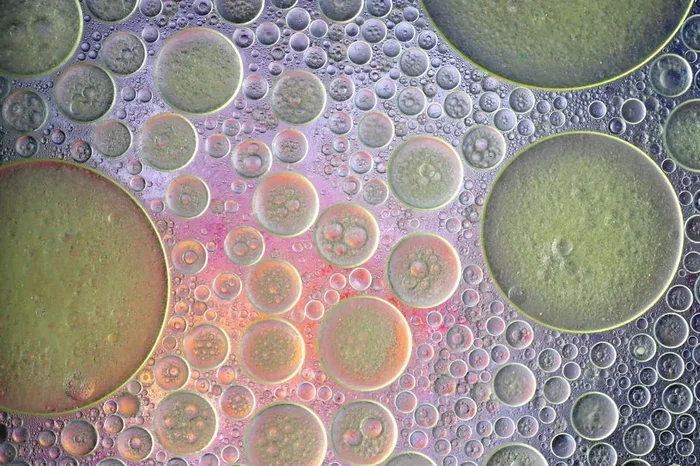
When water mixes with oil in your car, the two liquids form an emulsion. Think of it like salad dressing that won’t separate. The oil loses its slippery texture and becomes a gritty paste. This paste can’t flow through small oil passages. Critical parts like the crankshaft and bearings start to grind. The engine overheats because the lubrication film breaks down. Over time, the metal surfaces pit and wear out. In severe cases, a condition called hydrolock can stop the engine instantly. Water doesn’t compress like air, so when a piston tries to compress a water-filled cylinder, something has to give. That usually means a bent connecting rod or a cracked block.
The emulsion also accelerates corrosion. Water causes rust on iron and steel parts. The rust flakes mix into the oil and act like sandpaper. This abrasive mixture damages the oil pump and clogs the oil filter. A clogged filter can’t deliver clean oil, which speeds up wear even more. The entire lubrication system fails when water takes over.
The Emulsion Problem
An oil-water emulsion looks like a chocolate milkshake. It clings to metal surfaces instead of forming a slick barrier. The oil film thickness drops dramatically. This means the pistons, camshaft, and valve lifters run dry for microseconds at a time. Those tiny dry spells add up to big damage. The emulsion also traps combustion byproducts. Acidic compounds form and eat away at bearing surfaces. You lose the protective additives that modern oils contain.
Hydrolock Risk
Hydrolock happens when liquid enters the combustion chamber. Since water doesn’t compress, the piston can’t reach the top of its stroke. The engine stops dead. At low speeds, hydrolock might just stall the car. At higher speeds, the force can bend connecting rods or crack pistons. This is one of the most expensive engine failures to repair. Always check for water in oil after a car sits through a flood or a heavy rainstorm.
How Water Gets Into Your Engine Oil
Water doesn’t just appear in your oil. There’s always a source. The most common entry points are coolant leaks, condensation, and cracked components. Knowing where to look helps you fix the root cause. Simply changing the oil won’t solve the problem if the water source remains.
Coolant Leaks
The engine block has separate passages for coolant and oil. A failed head gasket can let coolant seep into the oil galleries. The head gasket sits between the engine block and the cylinder head. It seals both the combustion chambers and the coolant passages. When it fails, coolant can leak into the oil side. You might notice the oil level rising or the coolant level dropping. Sometimes you’ll see bubbles in the radiator or coolant reservoir. A blown head gasket is a serious repair but catching it early saves the engine.
Condensation Buildup
Condensation forms naturally when a car sits unused for long periods. Moisture from the air collects in the crankcase and mixes with the oil. Short trips don’t allow the engine to reach full operating temperature. The water never evaporates and stays suspended in the oil. This is why mechanics recommend taking longer drives to boil off moisture. A car that only runs to the mailbox and back is prone to oil contamination.
Cracked Cylinder Head or Block
Overheating can cause the cylinder head or block to crack. A crack creates a direct path between the coolant jacket and the oil passages. Coolant leaks into the oil without mixing with combustion gases. This type of leak often gets worse as the engine heats up. The metal expands and widens the crack. A cracked block usually means the engine needs replacement or a very expensive weld repair.
Worn Piston Rings or Cylinder Walls
Piston rings seal the combustion chamber and control oil consumption. When rings wear out, coolant can pass the piston rings and enter the crankcase. This often happens alongside white smoke from the exhaust. The coolant burns in the chamber and produces a sweet smell. You might also notice a loss of coolant with no visible external leak.
Signs That Water Has Contaminated Your Oil
Spotting water in oil early can prevent a full engine rebuild. Watch for these clear warning signs. The sooner you catch them, the less damage occurs.
| Sign | What It Looks Like | Likely Cause |
|---|---|---|
| Milky Oil on Dipstick | Tan or chocolate milk appearance | Water mixing with oil in the crankcase |
| White Exhaust Smoke | Thick, sweet-smelling white plume | Coolant burning in combustion chamber |
| Rising Oil Level | Oil level goes up without adding oil | Coolant leaking into oil passages |
| Foamy Oil Cap | Brownish foam under the oil filler cap | Emulsion from condensation or leak |
| Coolant Loss | Coolant reservoir drops over days | Internal leak into oil or cylinders |
| Overheating | Temperature gauge spikes unexpectedly | Reduced cooling efficiency from low coolant |
Quick Tips for Spotting Contamination
- Check the dipstick every week. Look for a milky or frothy texture.
- Wipe the oil cap with a clean rag. Brown foam is a red flag.
- Smell the oil. A sweet, coolant-like odor means water is present.
- Monitor the coolant level. A drop without an external leak points inside.
- Use a compression test. Uneven compression can indicate a head gasket leak.
Common Mistakes Drivers Make
Many drivers ignore the early signs. They assume the milky oil will clear up on its own. It won’t. Others add more oil to cover the level drop. This dilutes the oil further and spreads the water throughout the system. Some people use stop-leak products for a head gasket leak. These can clog the radiator and make overheating worse. Never drive far with milky oil. The damage gets worse with every mile.
The Damage Water Can Cause to Your Engine
Water in oil causes multiple types of damage, all at once. The lubrication film breaks down first. Metal surfaces rub together without protection. The bearings wear out quickly. The crankshaft develops rough journals. The camshaft lobes pit and the valve lifters collapse. All of these parts are expensive to replace.
Corrosion and Rust
Water causes rust on ferrous metal parts. Rust particles circulate in the oil and scratch surfaces. The oil pump gears can score from rust debris. The oil passages become narrower and restrict flow. A starved oil pump means the top end of the engine runs dry. The valves and rocker arms suffer the most.
Foaming and Aeration
Water creates foam in the oil. Foamed oil can’t maintain a stable film. The oil pump sucks air instead of liquid oil. This causes cavitation and further lubrication failure. The bearings spin without adequate oil pressure. You might hear a light tapping noise from the top of the engine. That’s often the first audible sign of oil starvation.
Additive Depletion
Oil additives like detergents and anti-wear agents break down in the presence of water. The oil loses its ability to suspend contaminants. Acidic compounds form and attack bearing surfaces. The acid also corrodes the bearing shells. Once the additives are gone, the oil can’t be restored. A full oil change and system flush become necessary.
Expert Insight on Long-Term Damage
An engine that runs for hundreds of miles with water-contaminated oil often needs a full rebuild. The cylinder walls develop horizontal scores. The pistons seize or crack. The connecting rods bend under the stress of hydrolock. Even if the car runs after a short contamination event, internal wear shortens the engine’s overall life by years. Always treat water in oil as an emergency.
How to Fix Water in Oil: Step-by-Step Guide
Fixing water in oil requires two phases. First, you remove the contaminated oil and find the source. Second, you repair the source and refill with clean oil. Skipping either phase leads to repeat contamination.
Step 1: Drain the Oil Completely
Warm the engine for a few minutes. This helps the oil flow out more completely. Remove the drain plug and let the oil drain into a catch pan. Look at the drained oil. Milky or frothy oil confirms water contamination. Replace the drain plug with a new washer. The washer ensures a tight seal and prevents future leaks.
Step 2: Remove and Replace the Oil Filter
The old filter holds contaminated oil. Drain it into the catch pan. Use a new filter rated for your engine. A quality filter with a good bypass valve prevents dry starts. Apply a thin layer of clean oil to the gasket before installing. This creates a better seal and makes future changes easier.
Step 3: Find and Fix the Source
You must identify where the water entered. Check the coolant level first. A drop in coolant points to an internal leak. A compression test can reveal a head gasket failure. A block tester checks for combustion gases in the coolant. If the head gasket is the problem, you have two options. You can replace the gasket or replace the engine. A gasket job requires removing the cylinder head. The head must be inspected for flatness and cracks. A machine shop can resurface the head if needed.
Step 4: Refill with Fresh Oil
Use the oil weight recommended by the manufacturer. Fill to the full mark on the dipstick. Run the engine for a few minutes and check for leaks. Monitor the oil pressure gauge. It should rise to normal within a few seconds. Check the coolant level again after the engine cools. Top up if needed.
Quick Tips for a Successful Repair
- Always use a new drain plug washer to prevent leaks.
- Dispose of the old oil properly at a recycling center.
- Check the oil level again after 50 miles of driving.
- Consider a coolant system flush if the contamination was severe.
- Have a mechanic inspect the head gasket if you’re not comfortable doing it yourself.
Preventing Water Contamination in the Future
Prevention is much easier than repair. A few simple habits keep water out of your oil system. Regular maintenance catches small problems before they grow.
Regular Oil Changes
Fresh oil has strong additive packages that resist water intrusion. Old oil loses its ability to suspend moisture. Change your oil at the manufacturer’s recommended intervals. If you drive in humid or rainy conditions, consider shortening the change interval. Synthetic oils handle water contamination slightly better than conventional oils. They also last longer between changes.
Monitor Your Coolant System
Check the coolant level every month. A sudden drop in coolant is a clear sign of an internal leak. Look for white residue on the oil cap or dipstick. Keep the cooling system in good condition. Replace the thermostat and water pump at recommended intervals. A healthy cooling system prevents overheating, which is the leading cause of cracked heads and blocks.
Avoid Short Trips When Possible
The engine needs to reach full operating temperature to boil off condensation. Short trips keep the engine cool and damp. If you can, combine errands into one longer drive. This allows the oil to heat up and release trapped moisture. A weekly highway drive of 20 minutes can make a big difference.
Expert Insight on Long-Term Prevention
Many experienced mechanics recommend installing an oil analysis kit once a year. The kit checks for water content, metal particles, and additive depletion. It gives you a chemical snapshot of your engine’s health. Catching a small water intrusion early can save thousands in repairs. It’s one of the best investments a car owner can make.
Key Takeaways
- Milky oil is an emergency: Never ignore a milky or frothy oil appearance.
- Find the source: Draining the oil fixes the symptom, not the cause.
- Head gasket leaks are the usual suspect: A compression test confirms the diagnosis.
- Hydrolock destroys engines instantly: Avoid driving if you suspect water in the cylinders.
- Prevention saves money: Regular oil changes and coolant monitoring keep water out.
- Act quickly: The longer water sits in oil, the more damage it does.
When water mixes with oil in your car, the clock starts ticking. The emulsion breaks down lubrication, causes corrosion, and risks hydrolock. You can fix the problem if you catch it early. Drain the oil, replace the filter, and find the water source. A failed head gasket or a cracked block needs professional attention. Don’t keep driving with milky oil. The repair cost is always less than a new engine. Stay proactive with oil changes and coolant checks. Your engine will run cooler, smoother, and last longer.
Frequently Asked Questions
Can a little water in oil damage my engine?
Yes, even a small amount of water can cause serious harm. Water breaks down the oil film and causes corrosion. Over time, it leads to bearing wear and oil starvation.
How do I know if my head gasket is leaking coolant into the oil?
Look for milky oil, a rising oil level, and a dropping coolant level. White exhaust smoke and bubbles in the coolant reservoir are also strong signs. A compression test can confirm the leak.
Should I drive my car if the oil looks milky?
No, do not drive the car. Milky oil means water has mixed with the lubricant. Driving can cause hydrolock or catastrophic bearing failure. Have the car towed to a mechanic.
What is the best way to remove water from engine oil?
The best way is to drain the old oil completely and replace the oil filter. You must also find and fix the source of the water. Simply adding new oil without fixing the leak will not solve the problem.
Can condensation in oil go away on its own?
Small amounts of condensation from short trips can evaporate if the engine reaches full operating temperature. However, persistent moisture usually indicates a deeper issue. Regular longer drives help, but you should still check for leaks.
How much does it cost to fix water in oil?
The cost varies widely. A simple oil change and filter replacement might cost under $100. Fixing a head gasket can range from $1,000 to $2,500. A cracked block or hydrolock damage can exceed $4,000 for a full engine rebuild or replacement.