How to Disconnect Your Car Battery Without Any Hassle
Knowing how to disconnect your car battery is a simple skill every driver should have. Whether you need to replace a dead battery, clean corroded terminals, or store your vehicle for the winter, this guide walks you through each step with ease. We cover the right tools, safety precautions, and common pitfalls so you can handle the job confidently at home. No mechanic visit required — just follow our clear instructions and save time and money.
There comes a time in every car owner’s life when you need to disconnect your car battery. Maybe your battery is dying and needs a replacement. Perhaps you are dealing with stubborn corrosion on the terminals. Or maybe you are storing your vehicle for the winter and want to preserve its charge. Whatever the reason, learning how to safely disconnect car battery cables is one of the most useful skills you can pick up.
The good news? It is not as scary as it sounds. With the right tools and a little know-how, you can handle this job in under fifteen minutes. No mechanic required. In this guide, we walk you through every step in plain, simple language. You will learn what tools you need, the correct order to remove cables, how to clean your battery, and what mistakes to avoid. By the end, you will feel confident tackling this task on your own.
Key Takeaways
- Always disconnect the negative terminal first to prevent electrical shorts and keep yourself safe.
- Gather the right tools beforehand — a wrench, safety gloves, and a battery terminal cleaner are essentials.
- Inspect your battery and terminals for corrosion or damage while the battery is disconnected.
- Reconnect in the reverse order — positive terminal first, then negative — for safe reinstallation.
- Know when to seek professional help if you notice unusual battery behavior or electrical issues after reconnection.
- Resetting your car’s systems may be needed after disconnecting the battery, so be prepared for minor adjustments.
📑 Table of Contents
- Why You Might Need to Disconnect Your Car Battery
- Tools and Safety Gear You Will Need
- Step-by-Step Guide to Disconnecting Your Car Battery
- How to Clean and Inspect Your Battery
- How to Reconnect Your Car Battery
- Common Mistakes to Avoid When Disconnecting a Car Battery
- Expert Insights on Battery Maintenance
- When to Call a Professional
- Key Takeaways
Why You Might Need to Disconnect Your Car Battery
Before we dive into the how-to, let us talk about why you might need to do this in the first place. Understanding the purpose helps you appreciate the process and stay motivated. Here are the most common reasons drivers need to disconnect car battery cables:
- Battery replacement: When your battery is old or dead, you need to remove it before installing a new one.
- Corrosion cleaning: White or greenish buildup on terminals can cause poor electrical connections.
- Vehicle storage: Disconnecting the battery prevents slow drain during long periods of inactivity.
- Electrical troubleshooting: Mechanics often disconnect the battery when diagnosing electrical problems.
- Safety during repairs: Working on certain car parts requires cutting power to prevent shocks or shorts.
- Aftermarket installations: Adding alarms, stereos, or dash cameras sometimes demands a battery disconnect.
No matter your reason, the process remains the same. The key is following the correct steps in the right order. Skip ahead to the section that matches your situation, or read through the entire guide for a complete understanding.
Tools and Safety Gear You Will Need
Before you touch anything under the hood, gather your supplies. Having everything ready prevents frustration and keeps the job moving smoothly. Here is what you need:
Essential Tools
- Wrench set: A 10mm wrench works for most vehicles, but check your battery terminal size first.
- Battery terminal cleaner: This brush-like tool removes corrosion from cable ends and terminals.
- Battery pliers or wrench: Specialized tools make gripping and twisting terminal clamps easier.
- Wire brush: Useful for scrubbing away built-up grime on battery posts.
Safety Equipment
- Safety gloves: Protect your hands from acid and sharp edges. Rubber or latex gloves work well.
- Safety glasses: Shield your eyes from any acid splashes or debris.
- Old cloth or rag: Handy for wiping down the battery and surrounding area.
- Baking soda solution: A mix of baking soda and water neutralizes battery acid on contact.
Quick Tip
Keep a small flashlight handy if you are working in a dim garage. Good lighting helps you see the terminals clearly and avoid mistakes. Also, make sure your car is turned off and the keys are removed from the ignition before you start.
Step-by-Step Guide to Disconnecting Your Car Battery
Now for the part you have been waiting for. Follow these steps carefully, and you will have your battery disconnected in no time. Remember: the order matters. Always work on the negative terminal first to avoid electrical shorts.
Step 1: Park Your Car in a Safe Spot
Choose a flat, level surface. Turn off the engine and engage the parking brake. If you are working in a garage, open the door for ventilation. Car batteries produce hydrogen gas, which can be flammable in enclosed spaces. Fresh air keeps you safe.
Step 2: Locate the Battery
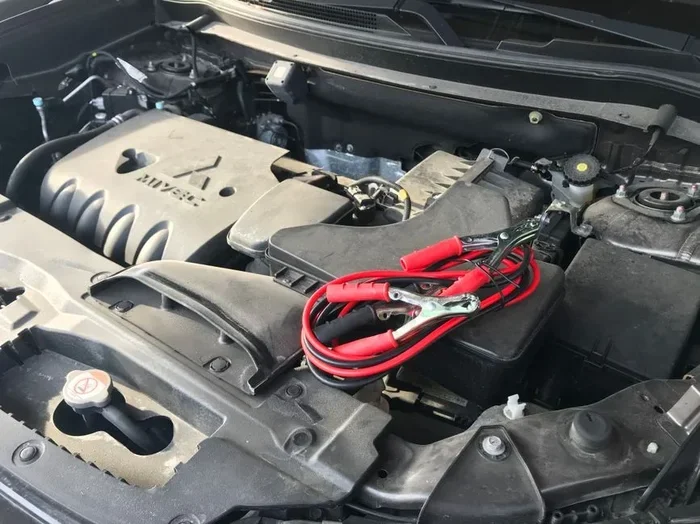
Pop the hood and find the battery. Most cars have the battery in the engine bay, usually on the left or right side. If you are unsure, check your owner’s manual. The battery looks like a rectangular plastic box with two metal terminals on top — one marked positive (+) and one marked negative (-).
Step 3: Identify the Terminals
Look closely at the two terminals. The positive terminal is usually red and marked with a plus sign. The negative terminal is typically black and marked with a minus sign. The negative cable is also connected directly to the car’s frame or engine block, which grounds the electrical system. This is the one you remove first.
Step 4: Loosen the Negative Terminal
Take your wrench and place it on the nut holding the negative cable clamp to the battery post. Turn the wrench counterclockwise to loosen it. You do not need to remove the nut entirely — just loosen it enough that the clamp slides off the post. Once loose, carefully pull the cable away from the terminal. Tuck it aside so it cannot accidentally touch the battery again.
Step 5: Loosen the Positive Terminal
Now repeat the process on the positive terminal. Loosen the nut, then gently wiggle the clamp free. Place it in a safe spot where it will not dangle near the battery or any metal surface.
Step 6: Remove the Battery Hold-Down Clamp
Most batteries have a bracket or hold-down clamp securing them in place. Use your wrench to remove the bolt or strap. Once the clamp is off, carefully lift the battery out of its tray. Batteries can weigh up to 40 pounds, so lift with your legs, not your back.
And that is it! Your battery is now disconnected. If you are replacing it, you can move on to the new battery. If you are cleaning or inspecting, read on for helpful tips.
How to Clean and Inspect Your Battery
With the battery out, this is a great opportunity to give it a thorough inspection. A little maintenance now can extend your battery’s life by months or even years.
Check for Corrosion
Look at the battery terminals and cable ends. White, blue, or greenish powdery buildup is corrosion. It forms when battery acid reacts with the metal terminals. Mild corrosion is normal, but heavy buildup can prevent your battery from charging properly.
Clean the Terminals
Dip your battery terminal cleaner or wire brush in the baking soda solution. Scrub the terminals and cable ends gently. The mixture will fizz slightly — that is the acid neutralizing. Wipe everything clean with a dry cloth. For stubborn corrosion, let the baking soda solution sit for a few minutes before scrubbing again.
Inspect the Battery Case
Check the plastic casing for cracks or leaks. If the case is damaged, the battery needs replacement. Also look at the cell caps — if they are loose or missing, acid can spill out and cause damage.
Test the Battery Voltage
If you have a multimeter, test the battery voltage. A healthy battery should read around 12.6 volts when fully charged. Anything below 12.0 volts suggests the battery is weak and may need charging or replacing. If you do not own a multimeter, most auto parts stores will test your battery for free.
How to Reconnect Your Car Battery
When it is time to put everything back together, follow these steps in reverse order. The golden rule here: connect the positive terminal first, then the negative. This order protects your car’s electrical system.
- Place the battery back in the tray and secure it with the hold-down clamp.
- Attach the positive cable first. Slide the clamp onto the positive post and tighten the nut clockwise.
- Attach the negative cable next. Tighten the nut securely but do not over-tighten.
- Check both connections by giving each cable a gentle tug. They should feel snug and immovable.
- Start your car to confirm everything works. If the engine turns over smoothly, you are all set.
Some cars may need a few minutes to relearn settings after a battery disconnect. Your radio presets, clock, and power windows might reset. This is completely normal. Simply reprogram what you need, and you are good to go.
Common Mistakes to Avoid When Disconnecting a Car Battery
Even a simple task like disconnecting car battery cables can go wrong if you are not careful. Here are the most common mistakes drivers make — and how to avoid them:
Removing the Positive Terminal First
This is the number one mistake. If you remove the positive terminal while the wrench is touching metal, you create a short circuit. Sparks can fly, and you could damage your car’s electrical system or even hurt yourself. Always remove the negative terminal first, every single time.
Forgetting to Turn Off the Engine
Working on a running car with an exposed battery is dangerous. The engine generates electricity, and touching the wrong component can cause a shock or spark. Always switch off the ignition and remove the keys before starting.
Leaving Cables Loose
A loosely connected cable can cause intermittent electrical problems. Your car might stall, or the dashboard lights might flicker. Always double-check that both terminals are tightened firmly after reconnection.
Ignoring Corrosion
Putting a corroded battery back in will only cause the same problems again. Take a few extra minutes to clean the terminals thoroughly before reconnecting. Your battery will last longer and perform better.
Dropping the Battery
Car batteries are heavy and contain sulfuric acid. Dropping one can crack the case, causing acid leaks. Always lift carefully, and if the battery feels too heavy, ask someone for help. A friend makes the job safer and easier.
Expert Insights on Battery Maintenance
We spoke with a few automotive experts to get their top tips for battery care. Here is what they had to say:
Mark T., ASE-Certified Mechanic: “I always tell my customers to inspect their battery terminals every six months. A quick cleaning with baking soda and water can prevent a lot of headaches down the road. Most people do not think about their battery until it fails them.”
Sarah L., Automotive Instructor: “The most important thing to remember is the order — negative first when removing, positive first when installing. Write it on a sticky note if you need to. Once it becomes habit, it is second nature.”
James R., Battery Specialist: “If your battery is more than three years old, get it tested annually. Many shops do this for free. Catching a weak battery early saves you from being stranded with a dead engine on a cold morning.”
When to Call a Professional
Disconnecting a car battery is a straightforward DIY job for most people. However, there are situations where calling a professional makes sense. If you notice any of the following, it is time to seek help:
- The battery case is visibly cracked or leaking fluid.
- You experience persistent electrical issues even after reconnecting.
- The battery will not hold a charge despite being fully recharged.
- You feel uncomfortable working under the hood or lack the proper tools.
- Your car has a start-stop system or complex electrical setup that requires special handling.
There is no shame in asking for help. A qualified mechanic can diagnose deeper issues and ensure your battery and electrical system are functioning correctly.
Key Takeaways
- Always disconnect the negative terminal first to prevent electrical shorts and keep yourself safe.
- Gather the right tools beforehand — a wrench, safety gloves, and a battery terminal cleaner are essentials.
- Inspect your battery and terminals for corrosion or damage while the battery is disconnected.
- Reconnect in the reverse order — positive terminal first, then negative — for safe reinstallation.
- Know when to seek professional help if you notice unusual battery behavior or electrical issues after reconnection.
- Resetting your car’s systems may be needed after disconnecting the battery, so be prepared for minor adjustments.
Disconnecting your car battery does not have to be a hassle. With the right tools, the correct order of operations, and a little caution, you can handle this task quickly and safely. Whether you are replacing an old battery, cleaning corroded terminals, or preparing your car for storage, the steps in this guide will walk you through every stage. Remember to always work on the negative terminal first, inspect your battery while it is out, and reconnect everything in the proper sequence.
Take a few minutes to practice this skill now, and you will be grateful the next time your battery gives you trouble. You will save money, gain confidence, and become a more self-reliant car owner. Keep this guide bookmarked for future reference, and share it with a friend who might need it too. Happy wrenching!
Frequently Asked Questions
Can I disconnect just one battery terminal instead of both?
Yes, you can disconnect only one terminal for minor electrical work. However, removing both terminals ensures complete power isolation, which is safer for most tasks. Always disconnect the negative terminal first, regardless of whether you remove one or both cables.
How long can a car battery sit disconnected before it dies?
A disconnected car battery can hold its charge for several weeks to a couple of months, depending on its age and condition. If you plan to store your vehicle for an extended period, consider using a battery tender or trickle charger to keep it topped up.
Do I need to reset anything after reconnecting my car battery?
Yes, some settings may reset after a battery disconnect. These include your radio presets, clock, power window calibration, and in some vehicles, the infotainment system. Reprogramming these is quick and easy, and your owner’s manual can guide you through it.
Is it safe to disconnect the car battery in the rain?
It is best to avoid working on your battery in wet conditions. Water increases the risk of electrical shorts and can corrode terminals faster. If you must disconnect the battery in the rain, wear rubber gloves and safety glasses, and keep all tools dry.
What should I do if I see sparks when removing a terminal?
Turn off the ignition immediately and step back. Sparks usually mean a tool or cable touched a grounded metal surface. Check that the negative cable is fully disconnected and away from the battery before continuing. If sparks persist, stop and consult a professional.
How often should I inspect my car battery?
Most experts recommend inspecting your battery every three to six months. Look for corrosion on terminals, check the charge voltage with a multimeter, and clean any buildup you find. Regular inspections help you catch problems early and avoid unexpected breakdowns.