Why Your Tire Pressure Light Is On After Changing Tires
Seeing your tire pressure light on after changing tires is a common and frustrating experience for many drivers. This warning usually appears because the tire pressure monitoring system (TPMS) needs a reset after new tires are installed. In most cases, the fix is simple and can be done at home in just a few minutes.
Key Takeaways
- TPMS needs a reset: The tire pressure light often stays on because the system hasn’t been recalibrated after new tires.
- Air loss during tire change: Removing and reinstalling tires can cause small pressure drops that trigger the warning.
- Sensor battery issues: Old or dying TPMS sensor batteries can cause the light to come on after a tire change.
- Reset methods vary by vehicle: Some cars have a reset button, while others require a scan tool or driving procedure.
- Check pressure first: Always verify actual tire pressure with a gauge before assuming the light is a false alarm.
- Visit a mechanic if needed: If the light persists, a professional can diagnose sensor or system problems.
📑 Table of Contents
- Why Your Tire Pressure Light Is On After Changing Tires
- What Does the Tire Pressure Light Actually Mean?
- Common Reasons the Light Comes On After a Tire Change
- How to Reset Your TPMS After Changing Tires
- How to Check Your Tire Pressure Correctly
- When to See a Mechanic About the Tire Pressure Light
- Preventing the Tire Pressure Light from Coming Back
- Expert Insight: What Mechanics Wish You Knew
- Key Takeaways
- Conclusion
Why Your Tire Pressure Light Is On After Changing Tires
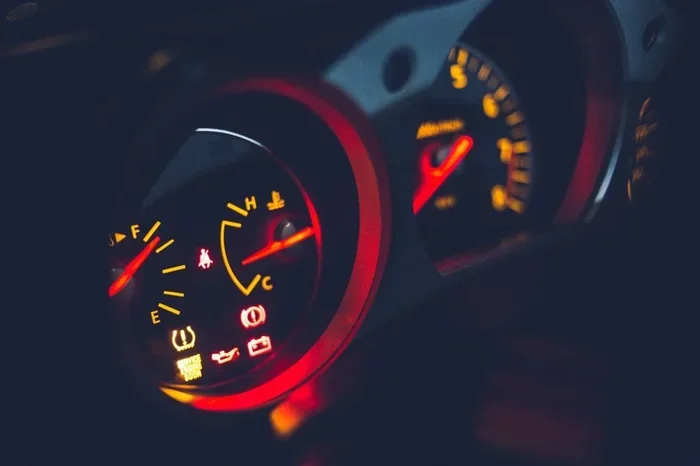
You just got new tires. You feel great. You drive off the shop, and then — there it is. The yellow light shaped like a horseshoe with an exclamation mark glows on your dashboard. Your heart drops. Did something go wrong? Is the new tire damaged? Did the shop make a mistake?
Take a deep breath. In most cases, this is completely normal. The tire pressure light on after changing tires happens to thousands of drivers every single day. It does not mean your new tires are bad. It does not mean you are in danger. It usually just means your car needs a small reset.
Still, you should not ignore it. A lit tire pressure warning light can signal a real problem too. In this guide, we will walk through every reason this happens and show you exactly how to fix it. Whether you are a car beginner or a seasoned driver, you will find clear, practical steps to get that light off and keep your tires in great shape.
What Does the Tire Pressure Light Actually Mean?
Before we dive into fixes, let us understand what this light is trying to tell you. The tire pressure monitoring system, or TPMS, is a safety feature in modern vehicles. It watches the air pressure inside your tires and alerts you when something is off.
When the light comes on, it means one or more tires have pressure that is too low or too high. The system uses small sensors inside each tire or on the valve stem. These sensors send real-time data to your car’s computer. If the pressure drops by about 25 percent below the recommended level, the light turns on.
There are two types of TPMS warnings you might see:
- A steady yellow light: This means one or more tires have low pressure. It needs attention soon but is not an emergency.
- A flashing yellow light: This usually points to a TPMS system malfunction, not necessarily a tire pressure problem. The sensor itself may be the issue.
Either way, the tire pressure light on after changing tires is your car’s way of saying, “Hey, check me out.” It is a helpful reminder, not a reason to panic.
Common Reasons the Light Comes On After a Tire Change
Now let us get into the real reason you are here. Why does this light pop up right after you get new tires? There are several common causes, and most of them are easy to address.
1. Air Pressure Dropped During the Tire Change
This is the number one reason. When a mechanic removes a tire from the wheel, air escapes. Even with careful handling, a small amount of air always leaves the tire. If the technician does not reinflate the tire to the exact recommended pressure, the TPMS will detect the difference.
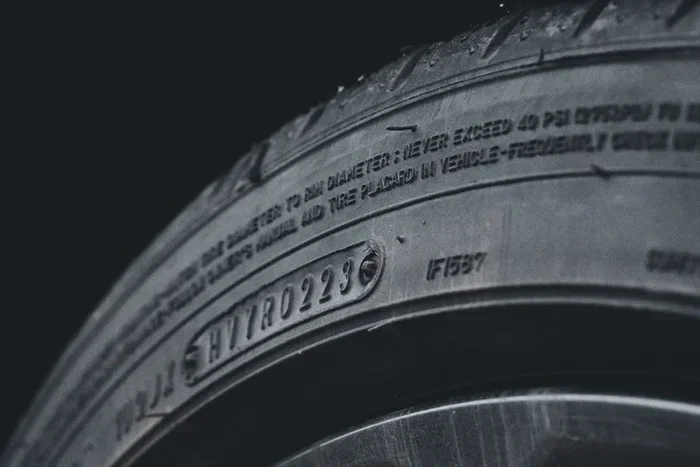
Every vehicle has a specific recommended tire pressure. You can find this number on a sticker inside the driver’s door frame or in your owner’s manual. Common pressures range from 30 to 35 PSI, but this varies by car. If the new tire is even a couple PSI low, the light will come on.
2. The TPMS System Needs a Reset
After a tire change, rotation, or replacement, the TPMS needs to be recalibrated. The system does not automatically know that new tires were installed. It still compares current readings to the previous baseline. That mismatch triggers the warning light.
Resetting the system tells the car, “These are the new baseline readings. Accept them.” Most vehicles have a simple reset procedure. We will walk you through that below.
3. Temperature Changes Affect Tire Pressure
Did you get your tires changed on a hot day and then drive home on a cool evening? Temperature swings affect air pressure inside tires. Cold air causes pressure to drop. Hot air causes it to rise. A significant temperature change after a tire service can trigger the TPMS light.
This is especially common in fall and spring when daily temperatures swing widely. Your tires might have been fine at the shop but read low once the temperature dropped overnight.
4. Old or Dead TPMS Sensor Batteries
TPMS sensors run on small batteries. These batteries typically last between five and ten years. If your sensors are older, the battery might be weak or dying. A tire change can sometimes jostle the sensor enough to cause a signal drop, which triggers the light.
If the light keeps coming back even after you reset it, a dead sensor battery is a likely culprit. Replacing the sensor battery or the entire sensor unit usually solves this problem.
5. A Slow Leak Was Not Detected
Sometimes the tire pressure light comes on because there is an actual slow leak. This could have been present before the tire change or caused by a nail, screw, or damaged valve stem. The shop may have patched or plugged the tire, but the pressure might still be slightly below the recommended level.
Always ask the mechanic to check each tire with a tire pressure gauge after the service. This quick step can catch leaks early and prevent the warning light from staying on.
6. Incorrect Tire Size or Type
If you switched to a different tire size or brand, the TPMS readings may not match what the car expects. The system calculates pressure based on tire size and load ratings. A different tire size can confuse the sensors and cause the light to illuminate.
Always confirm with your mechanic that the new tires match the specifications listed on your door jamb sticker. Using the wrong tire size can also affect your speedometer and fuel economy.
How to Reset Your TPMS After Changing Tires
Once you have confirmed that all tires are at the correct pressure, the next step is to reset the system. The process varies by vehicle, but here are the most common methods.
Method 1: Use the TPMS Reset Button
Many cars have a dedicated TPMS reset button. It is usually located under the steering wheel, near the dashboard area. Here is how to use it:
- Make sure all tires are inflated to the recommended pressure.
- Turn the ignition to the “On” position (do not start the engine).
- Press and hold the TPMS reset button until the warning light blinks three times.
- Start the engine and let the car idle for about 20 minutes.
- The light should turn off and the system will recalibrate.
If you cannot find the reset button, check your owner’s manual. It will have the exact location and procedure for your specific vehicle make and model.
Method 2: Use the Infotainment System
Newer vehicles often let you reset the TPMS through the dashboard screen. The steps typically look like this:
- Go to the Settings menu on your infotainment system.
- Navigate to Vehicle Settings or Tire Pressure.
- Look for a “Reset TPMS” or “Calibrate Tires” option.
- Confirm the reset and drive the car for a few miles.
Some brands like Ford, Chevrolet, and Toyota have slightly different menu paths. Your owner’s manual will have the exact steps.
Method 3: Drive at a Steady Speed
Some vehicles reset the TPMS automatically after driving. The general rule is to drive at a steady speed of 50 mph for about 10 to 15 minutes. This allows the sensors to relearn the current tire pressure and update the baseline.
This method works on many Honda, Mazda, and Subaru models. However, it only works if the tire pressure is already correct. If the pressure is low, driving will not fix the problem.
Method 4: Use a TPMS Scan Tool
If the above methods do not work, a TPMS scan tool can help. These tools connect to your car’s OBD-II port (usually under the dashboard on the driver’s side). They communicate directly with the TPMS sensors and allow you to relearn or recalibrate the system.
You can buy a basic scan tool for around $30 to $50. Auto parts stores like AutoZone or O’Reilly often lend these tools for free. Some tire shops will also reset the system for you at no extra charge.
How to Check Your Tire Pressure Correctly
Before you reset anything, make sure your tire pressure is actually correct. Guessing will not help. Here is how to do it the right way.
First, check the pressure when the tires are cold. This means the car has been parked for at least three hours or has not been driven more than a mile. Driving heats up the air inside the tire and gives a false high reading.
Next, remove the valve cap from the tire. Press the tire pressure gauge firmly onto the valve stem. You should hear a brief hiss of air, which is normal. Read the number on the gauge and compare it to the recommended pressure listed on your door jamb.
If the pressure is low, use an air compressor to add air. Most gas stations have free or paid air pumps. Add air in small bursts and check the pressure frequently. You do not want to overinflate.
If the pressure is too high, press the small pin inside the valve stem to release a little air. Then recheck with the gauge.
Once all four tires (and the spare, if applicable) are at the correct pressure, put the valve caps back on. This keeps moisture and dirt out of the valve stem.
Quick Tips for Accurate Pressure Readings
- Check tire pressure at least once a month.
- Do not rely on the visual look of the tire. A tire can be significantly underinflated and still look fine.
- Keep a reliable digital tire pressure gauge in your glove box. Gas station gauges are often inaccurate.
- Check the spare tire too. Many people forget about it until they need it.
- Record the pressure readings in your phone or a small notebook for future reference.
When to See a Mechanic About the Tire Pressure Light
Most of the time, resetting the TPMS or adding a little air solves the problem. But sometimes the light stays on no matter what you do. In those cases, it is time to see a professional.
You should visit a mechanic if:
- The light comes back immediately after you reset it.
- One or more tires consistently lose air within a few days.
- The TPMS light is flashing, not steady. A flashing light usually indicates a sensor malfunction.
- You hear a hissing sound coming from a tire. This suggests a puncture or valve stem leak.
- The TPMS warning light appears alongside other dashboard warnings. This could signal a broader electrical or system issue.
A mechanic can run a full TPMS diagnostic scan. This test reads the data from each individual sensor and tells you if any sensor has failed or needs replacement. In most cases, a sensor battery replacement costs between $50 and $100 per sensor. A full sensor replacement runs about $150 to $300 per unit, depending on your vehicle.
Do not let cost concerns keep you from getting it checked. Driving with incorrect tire pressure is dangerous. It reduces fuel efficiency, wears tires unevenly, and increases the risk of a blowout. Taking care of the TPMS light promptly protects both your wallet and your safety.
Preventing the Tire Pressure Light from Coming Back
Once you have fixed the issue, you probably want to make sure it does not happen again. The good news is that a few simple habits can keep your TPMS happy and your tires in great shape.
First, make tire pressure checks part of your routine. Set a reminder on your phone to check pressure every month. It takes about five minutes and can save you hundreds of dollars in tire wear and fuel costs over the life of your tires.
Second, always ask your tire shop to verify pressure after any tire service. Whether you are getting new tires, a rotation, or a repair, a quick pressure check takes seconds and prevents surprises.
Third, invest in a good digital tire pressure gauge. A quality gauge costs under $20 and gives you accurate readings every time. Keep it in your car so you can check pressure anytime, anywhere.
Fourth, pay attention to temperature changes. In cold weather, tire pressure naturally drops. You may need to add a little air during winter months. In hot weather, pressure can rise, so let a small amount of air out if needed.
Finally, replace TPMS sensor batteries proactively. If your sensors are more than eight years old, consider having the batteries replaced before they fail completely. This prevents unexpected warning lights and keeps your TPMS working reliably.
Expert Insight: What Mechanics Wish You Knew
We spoke with several experienced auto technicians, and they shared some insights that many drivers do not know.
“The most common mistake we see is drivers ignoring the tire pressure light for weeks,” says Marcus Delgado, a certified ASE mechanic with 15 years of experience. “A small pressure loss might not feel like anything, but over time it causes uneven tire wear and reduces fuel economy. The TPMS light is your early warning system. Respect it.”
Another technician, Sarah Lin, adds that temperature changes are a bigger factor than most people realize. “I see the tire pressure light come on every fall when the nights get cold. It is almost always just a minor pressure drop that a quick top-off fixes. But if you ignore it, the light stays on and you lose peace of mind.”
Their advice? Do not wait. Check the pressure, reset the system, and drive with confidence. A few minutes of attention now can prevent bigger problems down the road.
Key Takeaways
- TPMS needs a reset: The tire pressure light often stays on because the system has not been recalibrated after new tires.
- Air loss during tire change: Removing and reinstalling tires can cause small pressure drops that trigger the warning.
- Sensor battery issues: Old or dying TPMS sensor batteries can cause the light to come on after a tire change.
- Reset methods vary by vehicle: Some cars have a reset button, while others require a scan tool or driving procedure.
- Check pressure first: Always verify actual tire pressure with a gauge before assuming the light is a false alarm.
- Visit a mechanic if needed: If the light persists, a professional can diagnose sensor or system problems quickly and affordably.
Conclusion
Dealing with a tire pressure light on after changing tires is almost always a simple fix. In the vast majority of cases, it is just a matter of checking the pressure, adding a little air if needed, and resetting the TPMS system. Your car is not broken. The new tires are not defective. The system just needs a quick recalibration.
By following the steps in this guide, you can handle this situation confidently and without stress. Check your pressure with a reliable gauge. Reset the system using the method that matches your vehicle. And if the light keeps coming back, do not hesitate to see a mechanic.
Taking care of your tires is one of the easiest ways to stay safe on the road, improve fuel efficiency, and extend the life of your tires. A small warning light is your car’s way of looking out for you. Listen to it, act quickly, and keep rolling with confidence.
FAQs
How long does it take for the tire pressure light to turn off after a reset?
In most vehicles, the light turns off within a few minutes after a successful TPMS reset. However, some cars require you to drive for 10 to 20 minutes at a steady speed for the system to fully recalibrate. If the light does not go off after driving for a while, double-check that all tire pressures are correct.
Can I drive with the tire pressure light on?
You can drive short distances with the light on, but it is not recommended. Low tire pressure reduces handling, increases stopping distance, and can cause a blowout at high speeds. If the light is on, check your tire pressure as soon as possible and address the issue before driving long distances.
How much does it cost to reset a TPMS system?
Resetting the TPMS is often free if you do it yourself or have it done at a tire shop. Many auto parts stores will reset the system at no charge. If a TPMS sensor needs replacement, the cost typically ranges from $50 to $300 per sensor depending on your vehicle.
Why does my tire pressure light come on in cold weather?
Cold weather causes the air inside your tires to contract, which lowers the pressure. A drop of just a few PSI can be enough to trigger the TPMS light. This is normal and usually goes away once the tires warm up from driving or the temperature rises. You can simply add a little air to bring the pressure back to the recommended level.
How do I know if my TPMS sensor battery needs replacement?
Most TPMS sensors have a battery life of five to ten years. If the tire pressure light flashes for about 60 to 90 seconds when you start the car and then stays on, it often indicates a sensor battery is low or a sensor has failed. A mechanic can run a diagnostic scan to confirm which sensor needs attention.
Will the tire pressure light reset itself after I add air?
In some vehicles, yes. After you inflate the tires to the correct pressure, the light may turn off on its own after a few minutes of driving. In other vehicles, you need to manually reset the TPMS using a button, the infotainment system, or a scan tool. Check your owner’s manual for the specific procedure for your car.